



What's Happening?
Jaggers, a fast-casual restaurant chain owned by Texas Roadhouse, is gaining attention for its high-quality burgers and fried chicken offerings. Established in 2014 in Noblesville, Indiana, Jaggers has expanded to over 15 locations across Indiana, Kentucky,
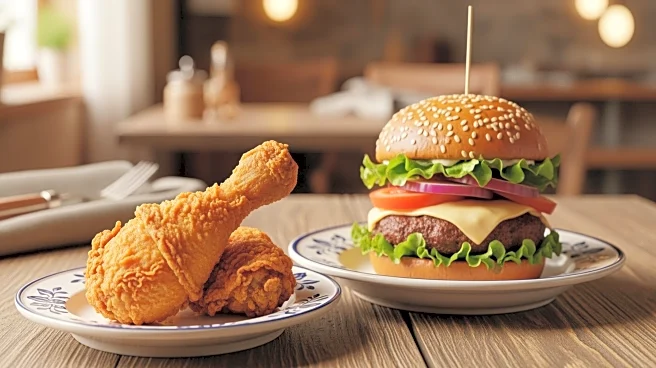
Texas, and North Carolina, with an international presence at Camp Humphreys in South Korea. The chain is known for its scratch-kitchen approach, offering freshly prepared burgers, chicken, and salads. Despite a slow growth trajectory due to management learning curves and pandemic-related challenges, Jaggers plans to accelerate its expansion by adding up to five new locations in 2026. The brand's unique concept, described by founder Kent Taylor as a blend of Chick-fil-A and Five Guys, has resonated with customers, earning praise for its hand-breaded chicken sandwiches, double-patty burgers, and hand-spun milkshakes.
Why It's Important?
The expansion of Jaggers highlights a growing trend in the fast-casual dining sector, where consumers are increasingly seeking high-quality, freshly prepared meals in a quick-service format. This shift presents significant opportunities for Jaggers to capture market share from established fast-food giants by offering a differentiated product. The chain's focus on quality and service aligns with changing consumer preferences, potentially positioning it as a formidable competitor in the fried chicken and burger segments. As Jaggers expands, it could influence industry standards, prompting other chains to enhance their offerings to meet evolving consumer expectations. The success of Jaggers could also bolster Texas Roadhouse's overall market presence, diversifying its portfolio and revenue streams.
What's Next?
Jaggers' planned expansion in 2026 suggests a strategic move to capitalize on its growing popularity and market demand. The addition of new locations will likely increase brand visibility and accessibility, potentially attracting a broader customer base. As the chain grows, it may face challenges such as maintaining quality and consistency across locations, managing supply chain logistics, and navigating competitive pressures from other fast-casual and fast-food brands. Stakeholders, including investors and franchisees, will be closely monitoring the chain's performance and market reception. Success in these new markets could pave the way for further expansion, both domestically and internationally, solidifying Jaggers' position in the fast-casual dining landscape.