







What's Happening?
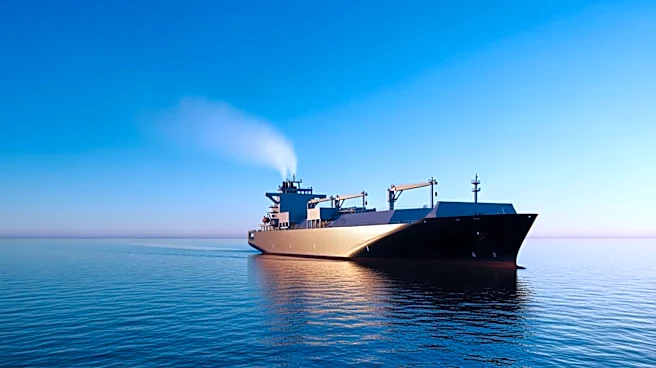
The Port of Long Beach has announced a $1 million incentive to encourage the adoption of methanol bunkering for dual-fuel ships. This initiative, known as the 'Clean Fuel Bunkering Challenge Incentive Award,' aims to support the transition to cleaner
marine fuels by rewarding the first vessel operator to complete a full-scale methanol bunkering operation at the port. Currently, there are approximately 400 dual-fuel methanol ships, but the availability of green methanol remains limited. The port's initiative is part of a broader effort to reduce greenhouse gas emissions and improve air quality in the region, which suffers from significant pollution levels.
Why It's Important?
The Port of Long Beach's incentive program is a critical step towards reducing the environmental impact of the shipping industry, which is a significant contributor to air pollution. By promoting the use of methanol, a cleaner-burning fuel, the port aims to decrease emissions of particulate matter, sulfur oxides, and nitrogen oxides, which are harmful to both the environment and public health. This initiative not only supports environmental sustainability but also aligns with global efforts to transition to low-emission fuels. The program could set a precedent for other ports and encourage the shipping industry to invest in cleaner technologies, potentially leading to widespread adoption of alternative fuels.
What's Next?
As the Port of Long Beach rolls out this incentive, it will be crucial to monitor the response from the shipping industry and assess the program's effectiveness in promoting methanol bunkering. The port may need to collaborate with fuel suppliers and ship operators to ensure the availability and feasibility of green methanol. Additionally, the success of this initiative could influence policy decisions and encourage other ports to implement similar programs. Stakeholders will likely focus on developing infrastructure and supply chains to support the transition to cleaner fuels, addressing challenges such as cost, availability, and regulatory compliance.