
What's Happening?
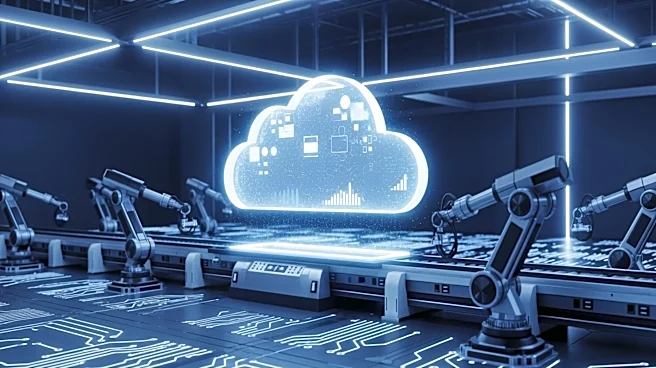
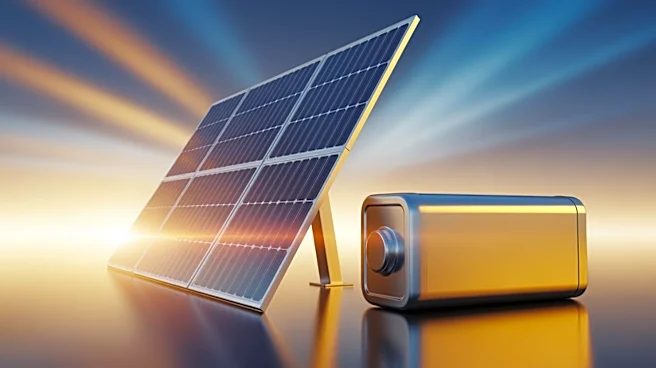
The demand for lithium-ion batteries is expanding beyond electric vehicles, driven by the rapid growth of AI infrastructure and data centers. These facilities require high energy density and fast response times, making lithium-ion batteries a preferred
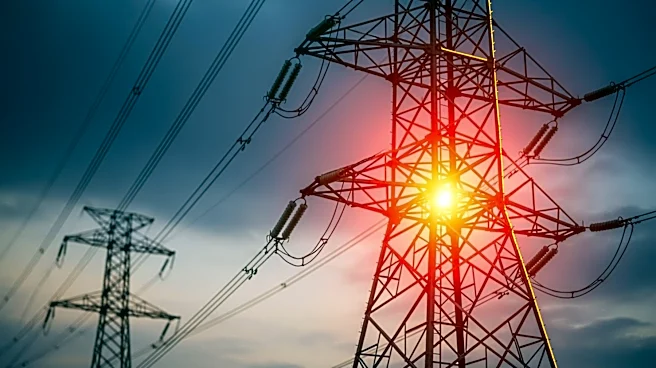
choice over traditional diesel generators and lead-acid batteries. The shift is fueled by the need for reliable power continuity and integration with renewable energy systems. As data centers are projected to account for nearly 9% of U.S. electricity demand by 2030, the pressure on utilities and transmission systems is increasing. This has positioned battery storage as a critical infrastructure component rather than just an emergency backup.
Why It's Important?
The growing demand for lithium-ion batteries in data centers and AI infrastructure highlights a significant shift in energy consumption patterns. This trend is reshaping the lithium supply chain, with increased focus on alternative extraction methods such as direct lithium extraction from geothermal brines and oilfield wastewater. The convergence of AI, digital infrastructure, and energy needs is creating new opportunities and challenges for the lithium market. As lithium becomes a strategic asset, its supply chain is gaining geopolitical importance, impacting transportation policy, digital infrastructure, and industrial competitiveness.
What's Next?
The evolution of the lithium supply chain is expected to continue, with increased investment in alternative extraction technologies and geographic diversification. The integration of lithium extraction with existing oil and gas infrastructure could bridge traditional energy sectors with the growing demand for battery materials. As AI infrastructure expands, the demand for lithium is likely to grow, potentially leading to further volatility in the market. Stakeholders across the energy and technology sectors will need to adapt to these changes, prioritizing investments in lithium extraction and battery storage solutions.
Beyond the Headlines
The rise of AI and data centers is not only driving lithium demand but also highlighting the interconnectedness of digital and resource economies. The need for large-scale battery storage systems is becoming a critical component of digital infrastructure, requiring significant physical inputs such as land, water, and cooling systems. This convergence is likely to place additional pressure on supply chains and reshape investment priorities across multiple sectors, including energy, technology, and industrial storage.