



What's Happening?
The University of Rhode Island hosted the second annual Rhode to Regenerative: From Forest to Sea conference, focusing on regenerative agriculture and its connection to ocean farming. The event, held from May 27-28, brought together farmers, researchers,
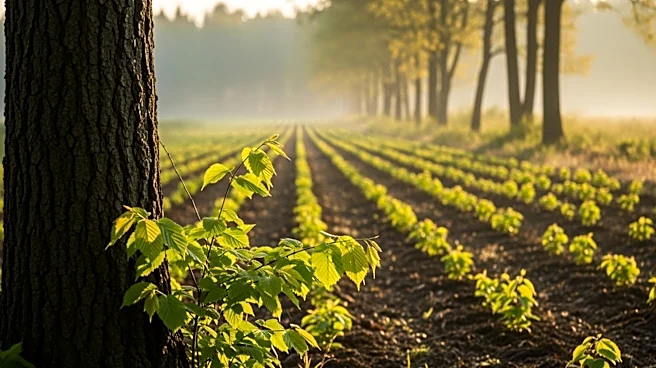
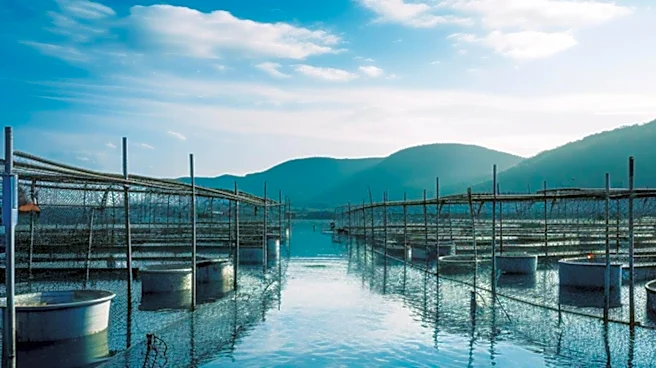
and policymakers to discuss sustainable agricultural practices. The conference featured tours of local farms, including Blue Acres Aquaculture's kelp and oyster farms and URI's Peckham Farm, which integrates agroforestry practices. The event emphasized the importance of merging academic expertise with practical knowledge to enhance food production sustainability. URI is also offering an online course on food recovery, addressing food waste and insecurity in Rhode Island.
Why It's Important?
The conference underscores the growing interest in regenerative agriculture as a means to address environmental and food security challenges. By integrating land-based and sea-based farming practices, the approach aims to restore ecosystems, improve soil health, and increase biodiversity. This holistic view of agriculture could lead to more resilient food systems and sustainable production methods. The focus on food recovery and waste reduction aligns with broader efforts to combat food insecurity and reduce environmental impact. The insights and practices shared at the conference could influence agricultural policies and practices, promoting sustainability in the sector.
Beyond the Headlines
Regenerative agriculture represents a shift towards more sustainable and environmentally friendly farming practices. By incorporating techniques like silvopasture and ocean farming, the approach not only enhances food production but also contributes to ecosystem restoration. This method could play a crucial role in mitigating climate change impacts and supporting biodiversity. The conference highlights the potential for academic and practical collaboration to drive innovation in agriculture. As more stakeholders adopt regenerative practices, the agriculture sector could see significant long-term benefits in terms of sustainability and resilience.