
What's Happening?
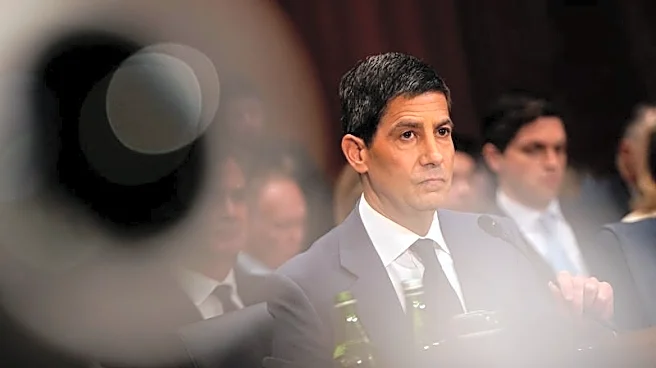
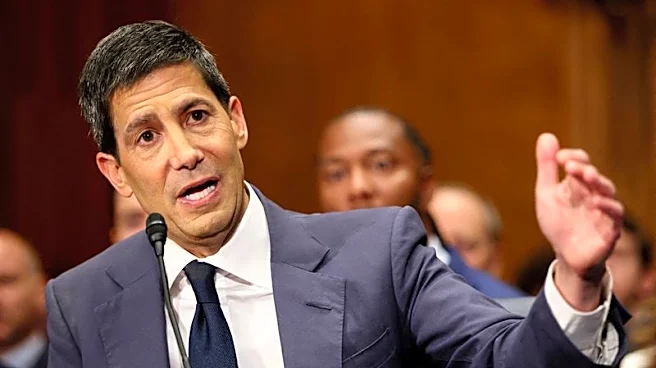
Kevin Warsh, the incoming Chairman of the Federal Reserve, is facing significant challenges in implementing the rate cuts desired by President Trump. Despite Warsh's optimistic outlook on the economy,
recent economic indicators suggest that cutting rates may not be feasible. Inflation rates remain high, with the latest consumer price index (CPI) report showing a 3.8% increase, well above the Fed's 2% target. Additionally, short-term Treasury yields have risen, indicating market expectations of higher rates. These developments complicate the potential for rate cuts, as they suggest the economy may require tighter monetary policy to control inflation. The situation is further exacerbated by geopolitical tensions, particularly in the Middle East, which are affecting global oil supplies and contributing to inflationary pressures.
Why It's Important?
The Federal Reserve's interest rate decisions have significant implications for the U.S. economy. Lowering rates could stimulate economic growth by making borrowing cheaper, but it also risks exacerbating inflation if not carefully managed. The current economic environment, characterized by persistent inflation and rising Treasury yields, suggests that the Fed may need to prioritize controlling inflation over stimulating growth. This decision could impact various sectors, including housing and consumer spending, which are sensitive to interest rate changes. Additionally, geopolitical factors, such as tensions in the Middle East, add complexity to the Fed's decision-making process, as they influence global energy prices and, consequently, inflation.
What's Next?
As Kevin Warsh assumes leadership of the Federal Reserve, he will need to navigate these economic challenges carefully. The Fed's upcoming meetings will likely focus on assessing inflation trends and determining the appropriate monetary policy response. Warsh's previous statements suggest he may consider short-term rate cuts if longer-term rates continue to rise due to macroeconomic conditions. However, any decision to cut rates will need to be balanced against the risk of further inflating prices. The Fed's actions will be closely watched by investors, policymakers, and the public, as they will influence economic conditions and financial markets.