
What's Happening?
Interest in coffee alternatives has surged, with a 39.5% increase in searches from January to December 2025 compared to the same period in 2024. Consumers are increasingly seeking beverages that offer
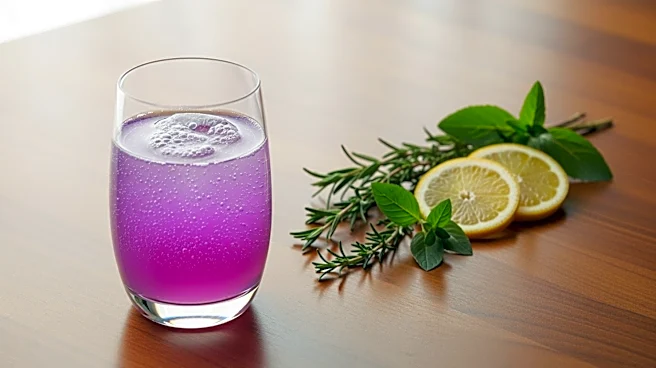
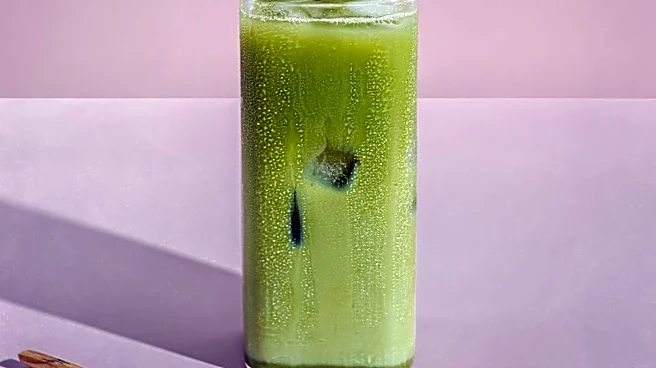
functional benefits beyond caffeine, such as improved digestion, hormonal balance, immunity, and stress management. This trend is reflected in the growing popularity of herbal teas, matcha, and other wellness drinks. According to Spate data, matcha beverages have seen a 154.5% year-over-year increase in popularity, while herbal teas have grown by 26.1%. The shift indicates a consumer preference for drinks that provide health benefits rather than just energy boosts.
Why It's Important?
The rise in coffee alternatives highlights a significant shift in consumer behavior towards health-conscious choices. This trend presents opportunities for beverage companies to innovate and expand their product lines to meet the demand for functional drinks. As consumers prioritize health benefits, brands can capitalize on this by developing beverages that address specific health concerns such as gut health, stress relief, and immunity. This shift also suggests a potential decline in traditional coffee consumption, impacting coffee producers and retailers who may need to adapt to changing consumer preferences.
What's Next?
Beverage companies are likely to continue exploring and marketing new coffee alternatives that emphasize health benefits. As consumer interest grows, brands may invest in research and development to create innovative products that cater to specific health needs. Additionally, the trend towards personalization and customization in beverages could lead to more tailored offerings, allowing consumers to choose drinks that align with their individual health goals. The ongoing interest in functional beverages may also drive collaborations between beverage companies and health experts to enhance product credibility and appeal.
Beyond the Headlines
The increasing focus on health benefits in beverages reflects broader societal trends towards wellness and self-care. This shift may influence other industries, such as food and supplements, to emphasize health and functionality in their products. The trend also raises questions about the long-term sustainability of coffee production and the environmental impact of alternative beverage ingredients. As consumers become more health-conscious, there may be a growing demand for transparency and ethical sourcing in the beverage industry.