
What's Happening?
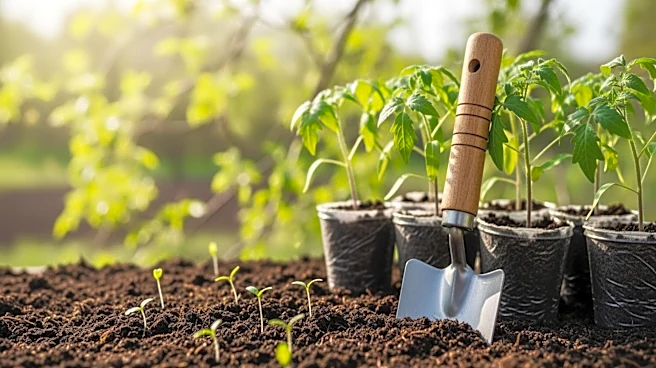
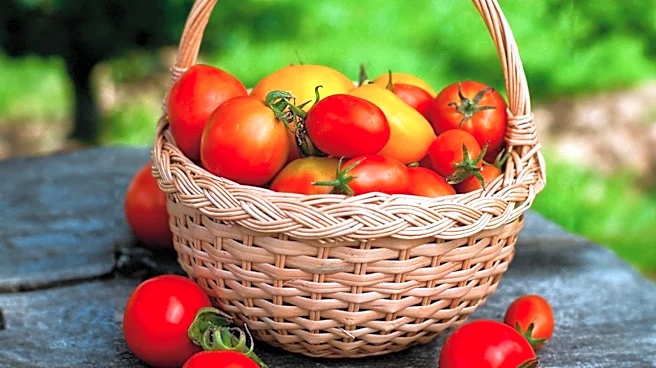
Gardening enthusiasts are being encouraged to start tomatoes and other annuals from seeds at home to enjoy a wider variety of plants than those typically available at garden centers. The process involves
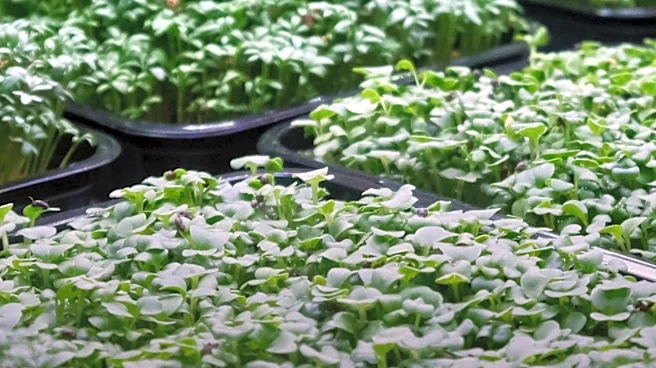
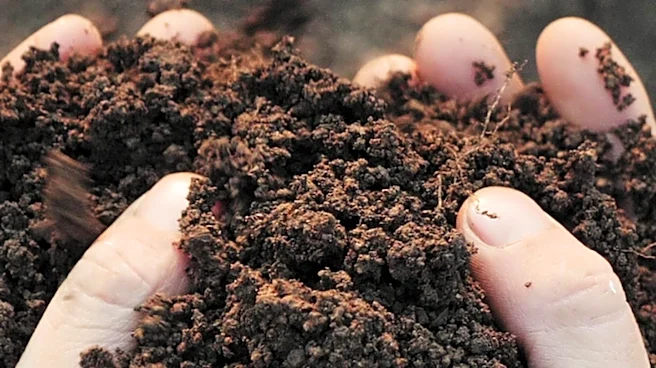
sowing seeds in fiber pots or trays using a pre-moistened, soilless, or seed-starting mix. Large seeds should be sown in slightly indented rows and covered lightly, while finer seeds can be spread directly on top of the growing medium. Seed packets provide specific sowing instructions, and some seeds may require a glass or plastic cover for humidity. It's crucial to water seeds from the bottom or use a fine mister to keep the soil moist. Most seeds need a warm, bright location out of direct sunlight to germinate. Using grow lights and providing bottom heat with heat mats or cables can improve results. Once seedlings develop two sets of true leaves, they should be transplanted to larger pots and fertilized with a quarter-strength 10-10-10 solution, increasing to half-strength as they grow. Hardening off plants before outdoor planting is essential, gradually exposing them to outdoor conditions.
Why It's Important?
Starting plants from seeds at home allows gardeners to access a broader range of plant varieties, which can lead to more diverse and personalized gardens. This practice not only enhances the gardening experience but also supports biodiversity by introducing less common plant species into local ecosystems. Additionally, growing plants from seeds can be more cost-effective than purchasing mature plants, offering economic benefits to gardening enthusiasts. The process also provides educational opportunities, allowing gardeners to learn about plant growth cycles and care requirements. As more people engage in home gardening, there could be a positive impact on mental health and well-being, as gardening is known to reduce stress and promote relaxation.
What's Next?
Gardeners are advised to start seeds well in advance of the planting season, with some requiring up to 14 weeks before they are ready for outdoor planting. As the weather warms, gardeners will need to monitor local frost dates to determine the best time to transplant seedlings outdoors. Continued care and attention to the specific needs of each plant type will be necessary to ensure successful growth and development. As interest in home gardening grows, there may be increased demand for gardening supplies and resources, prompting garden centers to expand their offerings and provide more educational support to novice gardeners.