





What's Happening?
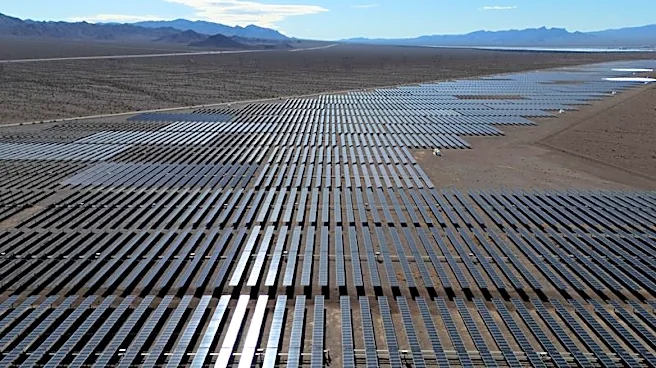
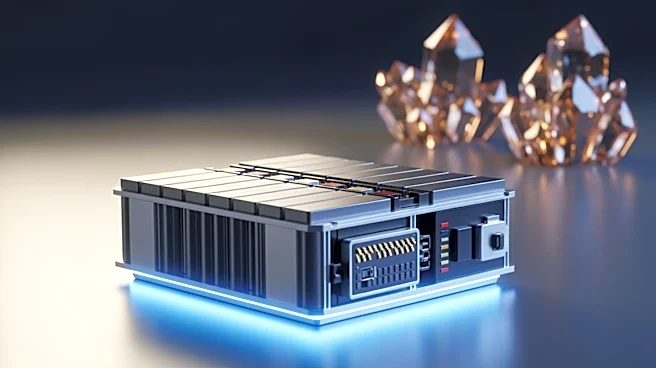
Ford is advancing its vertical integration strategy to mitigate geopolitical risks and reduce costs by entering the industrial stationary battery energy storage system (BESS) market. The company plans to begin shipping these systems from U.S. facilities
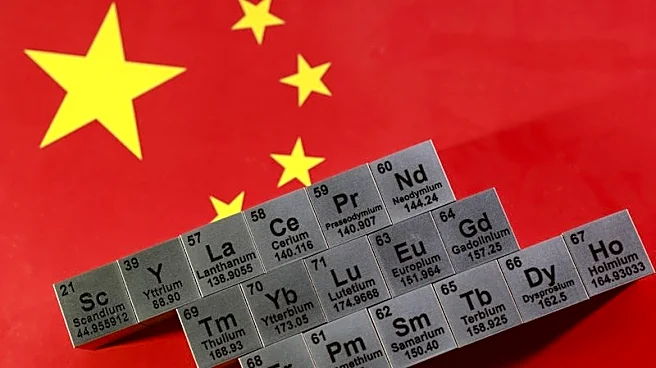
in 2027. This move comes as China dominates the market for refined rare earths and global magnet production, controlling 91% and 92% respectively. To secure necessary raw materials, Ford has signed a framework agreement with EDF Power Solutions for up to 20 GWh of storage capacity over five years starting in 2028. Additionally, Ford is establishing direct supply agreements with BHP Group and Rio Tinto, and pursuing initiatives in Indonesia.
Why It's Important?
Ford's strategic entry into the BESS market is significant as it seeks to diversify its supply chain and reduce dependency on Chinese rare earths, which are critical for electric vehicle production and energy storage solutions. This move could enhance Ford's competitiveness in the growing renewable energy sector and support its sustainability goals. The initiative also reflects broader industry trends where automakers are increasingly investing in energy storage to complement their electric vehicle offerings. This could potentially lead to increased domestic manufacturing and job creation in the U.S., while also influencing global supply chain dynamics.
What's Next?
Ford's expansion into the energy storage market is likely to prompt reactions from competitors and stakeholders in the automotive and energy sectors. The company's partnerships with major mining firms and its focus on securing raw materials may lead to further collaborations or acquisitions. Additionally, Ford's strategy could influence policy discussions on rare earth supply security and domestic manufacturing incentives. As Ford begins production of BESS systems, it will be crucial to monitor the impact on its financial performance and market position.