


What's Happening?
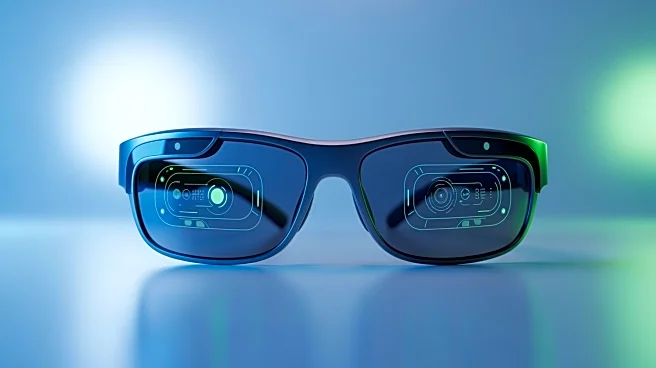
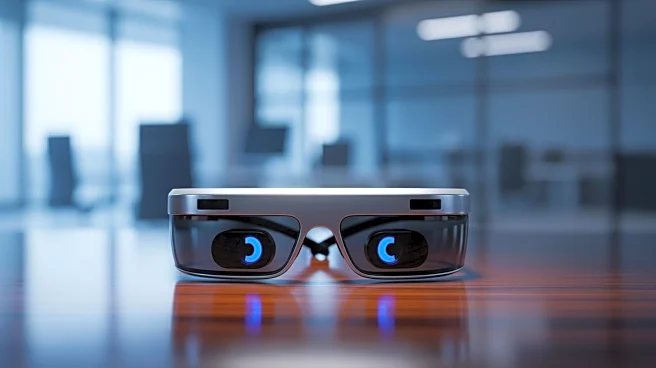
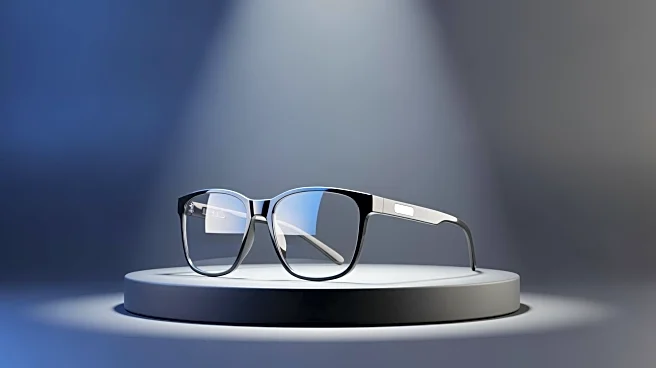
The augmented reality (AR) glasses market is poised for significant transformation by 2025, driven by major tech companies and fashion brands. Meta, Snap, Amazon, and traditional eyewear brands are integrating artificial intelligence (AI) into AR frames,
aiming to capture consumer interest. Notably, Meta is collaborating with Prada to potentially launch AI glasses, while Snap plans to release lightweight consumer frames by 2026. Amazon is also developing AR glasses, which could lead to a competitive retail landscape. These developments suggest a shift towards making AR glasses a mainstream accessory, with applications ranging from navigation to shopping. The involvement of luxury brands like Prada indicates a potential for AR to become a fashion statement, moving beyond early adopters to broader consumer markets.
Why It's Important?
The integration of AR glasses into everyday life could redefine how consumers interact with technology, offering hands-free access to information and services. This shift could impact various industries, including retail, fashion, and technology, by creating new opportunities for product development and consumer engagement. For tech companies, the successful launch of AR glasses could open new revenue streams and solidify their positions in the wearable tech market. Fashion brands stand to benefit by positioning AR glasses as luxury items, potentially increasing their appeal and market reach. Consumers could experience enhanced convenience and connectivity, with AR glasses providing real-time information and interactive experiences.
What's Next?
As AR glasses move towards mainstream adoption, companies will likely focus on overcoming technical challenges such as battery life, display quality, and user interface design. The success of these products will depend on their ability to offer seamless integration into daily life without compromising style or comfort. Retail strategies will also evolve, with companies exploring partnerships with optical stores to facilitate distribution and customer support. The competitive landscape will intensify as more players enter the market, potentially leading to price reductions and increased accessibility for consumers. Stakeholders will need to address privacy concerns and ensure that AR technology is used responsibly.
Beyond the Headlines
The rise of AR glasses could have broader implications for privacy and data security, as these devices collect and process vast amounts of personal information. Companies will need to implement robust security measures to protect user data and maintain consumer trust. Additionally, the cultural impact of AR glasses could be significant, as they change how people interact with their environment and each other. The integration of AR into fashion could also influence trends and consumer behavior, as technology becomes an integral part of personal style. Long-term, AR glasses could pave the way for more immersive and interactive digital experiences, transforming industries such as education, healthcare, and entertainment.