



What's Happening?
Individuals with alopecia, an autoimmune condition that can lead to hair loss, often face challenges with sparse eyebrows and eyelashes. To address these concerns, a variety of products have been recommended by those affected by the condition. These include
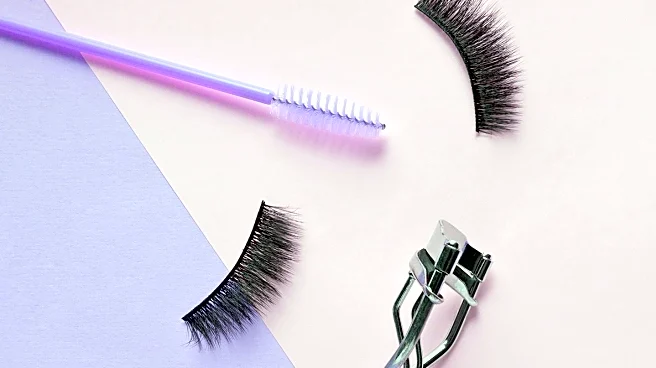
buildable, lightweight mascaras that are gentle on sensitive skin, such as Thrive Causemetics' tubing mascara. This product is praised for its ability to lengthen and add volume to lashes, creating a fuller appearance even for those with minimal natural lashes. Additionally, brow transfers and sensitive eye lash glues are highlighted as effective solutions for enhancing the appearance of brows and lashes. These products are designed to be smudge-proof, water-resistant, and long-lasting, catering specifically to the needs of individuals with alopecia.
Why It's Important?
The availability of specialized beauty products for individuals with alopecia is significant as it addresses a specific need within the beauty industry, promoting inclusivity and accessibility. These products not only enhance physical appearance but also contribute to the emotional well-being and confidence of those affected by hair loss. By providing solutions that are gentle and effective, these products help individuals manage the aesthetic challenges associated with alopecia, thereby improving their quality of life. The focus on sensitive skin and long-lasting wear also highlights the importance of product innovation in meeting diverse consumer needs.
What's Next?
As awareness of alopecia and its impact on individuals grows, it is likely that more beauty brands will develop and market products specifically designed for those with hair loss. This could lead to increased competition and innovation in the beauty industry, with a focus on creating products that are both effective and gentle. Additionally, advocacy and support groups for individuals with alopecia may continue to play a role in promoting these products and raising awareness about the condition. The ongoing dialogue around inclusivity in beauty could further drive the development of products that cater to a wider range of needs.
Beyond the Headlines
The development of beauty products for individuals with alopecia also raises important ethical considerations regarding representation and inclusivity in the beauty industry. By addressing the needs of those with hair loss, companies can contribute to a broader cultural shift towards acceptance and understanding of diverse beauty standards. This movement not only benefits individuals with alopecia but also challenges traditional beauty norms, encouraging a more inclusive and diverse representation of beauty in media and advertising.