

What's Happening?
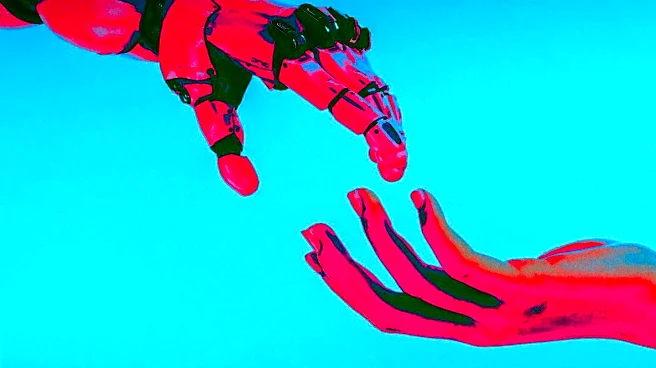
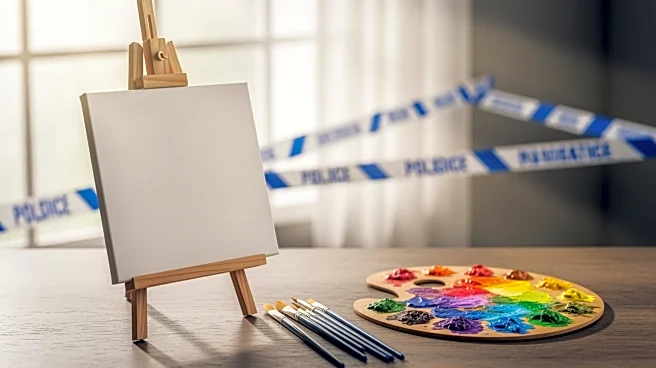
AI is increasingly being used in the art world to authenticate paintings, but its role remains contentious. Swiss AI firm Art Recognition has developed models to identify markers of artists' styles, such as Caravaggio, by analyzing visual characteristics.
The AI's findings have sometimes contradicted established art scholarship, as seen in the case of 'The Lute Player,' where AI suggested a version previously considered a copy might be authentic. Despite AI's potential to assist in art authentication, many experts remain skeptical, arguing that AI lacks the ability to contextualize artworks as human connoisseurs do. The debate continues as AI's role in art authentication evolves.
Why It's Important?
The use of AI in art authentication could revolutionize the art market by providing new tools for verifying the authenticity of artworks. This technology has the potential to uncover previously misattributed works, impacting the valuation and sale of art pieces. However, the reliance on AI also raises concerns about the loss of traditional connoisseurship and the potential for AI to miss the nuances of artistic expression. The art market's credibility hinges on trust, and the integration of AI into authentication processes could challenge established norms and practices, leading to shifts in how art is valued and traded.
What's Next?
As AI continues to be integrated into art authentication, the art world may see increased collaboration between AI researchers and traditional art experts. This partnership could lead to more comprehensive authentication processes that combine AI's analytical capabilities with human expertise. However, the art market's acceptance of AI findings will depend on the transparency and reliability of AI models. Future developments may include the use of AI to expose forgeries and assist in the conservation of artworks. The ongoing debate over AI's role in art authentication is likely to influence the future of art valuation and sales.