
What's Happening?
Tesla Inc. has officially ended the production of its premium Model S and Model X vehicles, as announced by CEO Elon Musk. This decision marks the end of an era for the automaker, which began delivering the Model S in 2012 and the Model X in 2015. The
company will host a ceremony to commemorate the conclusion of these models. Despite the end of production, Tesla still has some units available in inventory, which are being offered at reduced prices. The move aligns with Tesla's strategic shift towards focusing on AI and autonomous driving technologies, including the production of the Optimus Humanoid Robot and the development of the Cybercab.
Why It's Important?
The discontinuation of the Model S and X reflects Tesla's evolving business strategy, emphasizing innovation in AI and autonomous driving. This shift could have significant implications for the automotive industry, as Tesla continues to lead in technological advancements. The focus on new technologies may enhance Tesla's competitive edge, potentially influencing market trends and consumer expectations. However, the decision also highlights the challenges of maintaining a diverse product lineup while pursuing cutting-edge developments.
What's Next?
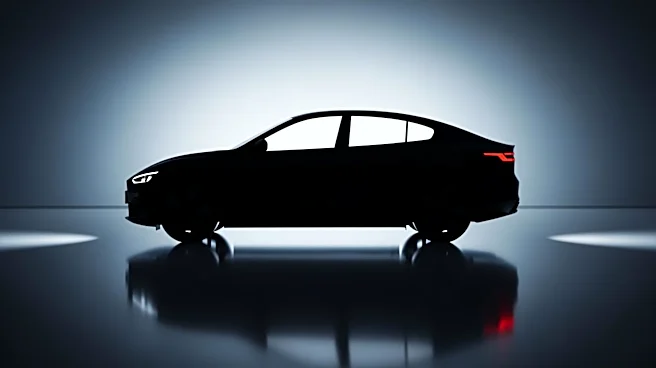
Tesla's strategic pivot suggests a future where the company may introduce new models that incorporate advanced AI and autonomous features. The potential release of a new model, possibly a 3-row vehicle, could rejuvenate Tesla's lineup and attract new customers. As Tesla continues to innovate, the industry will likely watch closely to see how these changes impact the company's market position and influence broader automotive trends.