





What's Happening?
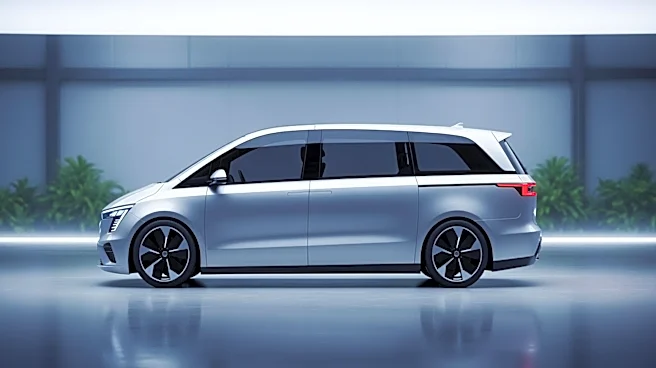
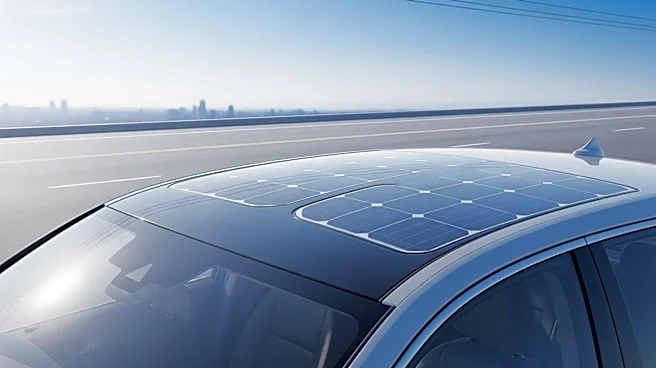
The Fraunhofer Institute for Solar Energy Systems (ISE) is promoting the integration of solar cells into vehicles as a means to reduce electricity demand and alleviate pressure on power grids. This initiative is part of the European research project SolarMoves,
which explores the potential of Vehicle Integrated Photovoltaics (VIPV). According to the study, vehicles equipped with solar modules can generate a significant portion of their energy needs, with passenger cars in Central Europe potentially producing up to 55% of their annual energy requirements. In Southern Europe, this figure could reach 80%. The research highlights the benefits of integrating solar panels into various vehicle types, including passenger cars and heavy-duty trucks, to reduce reliance on external electricity sources and decrease fuel consumption.
Why It's Important?
The integration of solar cells into vehicles represents a significant step towards decarbonizing the transportation sector. By generating their own solar power, vehicles can reduce the strain on power grids, particularly during peak demand periods. This technology could lead to substantial fuel savings for diesel trucks, as systems like air conditioning and heating would require less diesel. The potential for VIPV to pay for itself within two years makes it an economically viable option for the logistics sector, where delivery vans and trucks consume large amounts of energy. This development could accelerate the transition to cleaner energy sources in transportation, contributing to broader environmental goals.
What's Next?
The research team suggests that the logistics sector could particularly benefit from VIPV, with delivery vans and trucks having ample roof space for solar panels. The next steps involve further testing and potential commercialization of this technology. Stakeholders in the automotive and logistics industries may explore partnerships to implement VIPV on a larger scale. Additionally, regulatory bodies might consider incentives to encourage the adoption of solar-integrated vehicles, aligning with global efforts to reduce carbon emissions and promote sustainable energy solutions.
Beyond the Headlines
The adoption of solar cells on vehicles could have broader implications beyond immediate energy savings. It may drive innovation in vehicle design and manufacturing, as companies seek to optimize vehicles for solar integration. This shift could also influence consumer behavior, as individuals become more conscious of their energy consumption and environmental impact. Furthermore, the success of VIPV could inspire similar initiatives in other sectors, such as marine and aviation, where energy efficiency is increasingly critical.