




What's Happening?
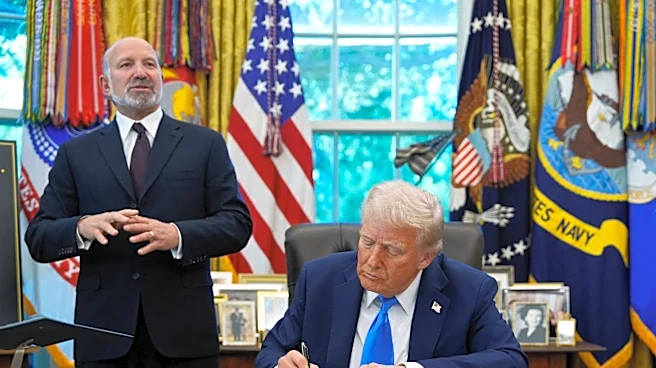
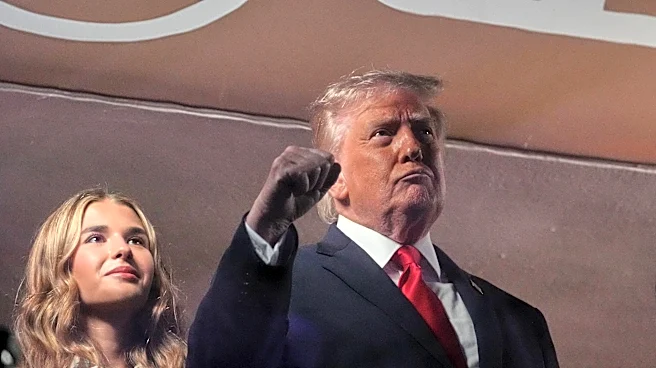
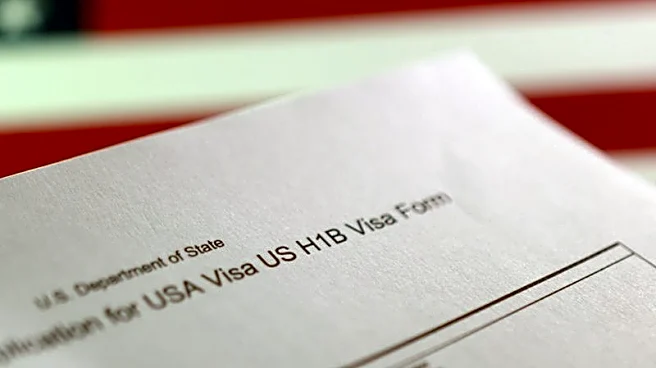
A federal court has invalidated the $100,000 fee imposed on H-1B visa applications, a decision welcomed by small businesses and legal experts. The fee, introduced by the Trump administration, was intended to prioritize hiring U.S. workers by making it costly
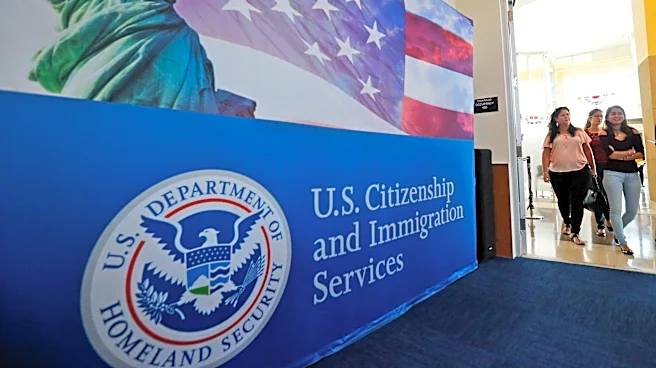
for companies to hire foreign talent. The court's ruling is seen as a relief for small and medium-sized businesses that struggled to afford the fee. However, the Trump administration may appeal the decision, and other legal challenges are ongoing. The ruling could impact future H-1B visa applications and the ability of businesses to hire foreign workers.
Why It's Important?
The court's decision to strike down the H-1B visa fee could have significant implications for U.S. businesses and the labor market. By removing the financial barrier, small and medium-sized businesses may find it easier to hire foreign talent, potentially increasing competition for skilled workers. The ruling also highlights the legal and political challenges surrounding immigration policy, particularly the balance between protecting U.S. jobs and allowing businesses to access global talent. The decision could influence future policy discussions and legal battles over employment-based visa programs.
What's Next?
The Trump administration may appeal the court's decision, potentially leading to further legal proceedings. The outcome of these challenges could affect the future of the H-1B visa program and the ability of businesses to hire foreign workers. In the meantime, businesses may adjust their hiring strategies in response to the ruling, potentially increasing the number of H-1B visa applications. The decision could also prompt legislative or regulatory changes to address concerns about program integrity and the impact on the U.S. workforce. Stakeholders, including businesses and immigrant advocacy groups, will likely continue to monitor developments closely.