



What's Happening?
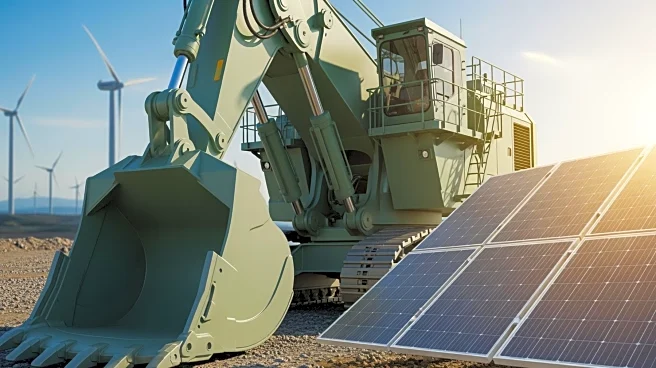
The mining industry is undergoing a transformation as it seeks to reduce its carbon footprint and achieve net-zero emissions. A key focus is on the electrification of heavy machinery, such as excavators and dump trucks, which traditionally rely on diesel. By transitioning to electric vehicles powered by renewable energy, the industry aims to cut on-site emissions significantly. This shift is part of a broader strategy to address Scope 1 and Scope 3 emissions, which account for a substantial portion of the sector's environmental impact. The adoption of hybrid vehicles and predictive maintenance technologies is also being explored to enhance efficiency and reduce waste.
Why It's Important?
The move towards electrification and renewable energy in mining is crucial
for reducing the industry's environmental impact. Heavy machinery emissions are a major contributor to the sector's carbon footprint, and addressing this can lead to significant reductions in greenhouse gas emissions. The transition supports global sustainability goals and aligns with increasing regulatory pressures for cleaner operations. Additionally, the shift can lead to cost savings through reduced fuel consumption and improved operational efficiency. As the industry adopts these changes, it could serve as a model for other sectors seeking to balance economic growth with environmental responsibility.
What's Next?
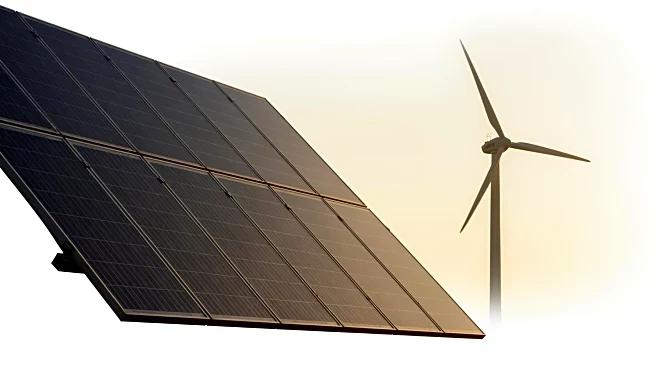
The mining industry is expected to continue its transition over the next 10 to 15 years, with a focus on expanding the use of electric and hybrid machinery. Companies will likely invest in renewable energy infrastructure, such as on-site solar panels and wind turbines, to support these efforts. The integration of telematics and sensor-based technologies will play a critical role in optimizing equipment maintenance and reducing downtime. As these initiatives progress, the industry will need to navigate challenges related to technology adoption, infrastructure development, and investment in new energy sources. Stakeholders will be closely monitoring the impact of these changes on operational efficiency and environmental performance.