

What's Happening?
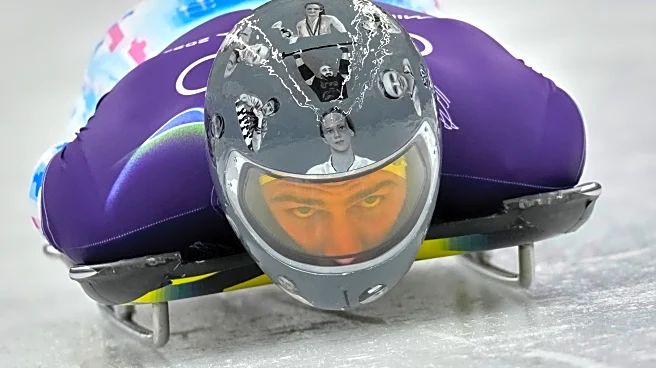
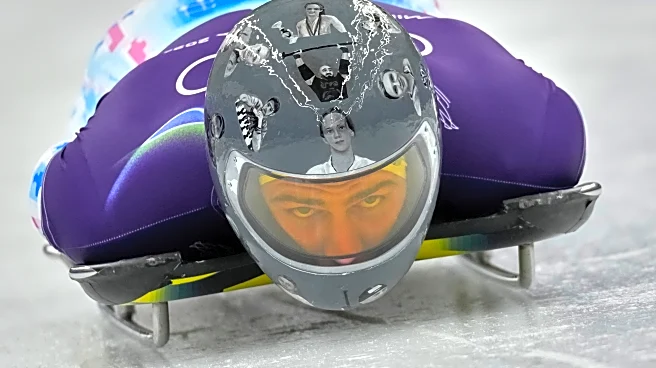
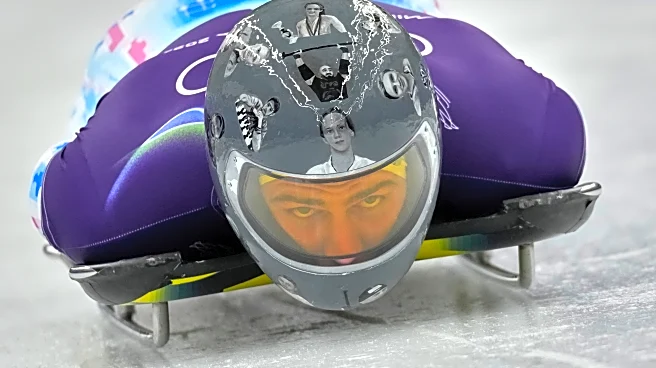
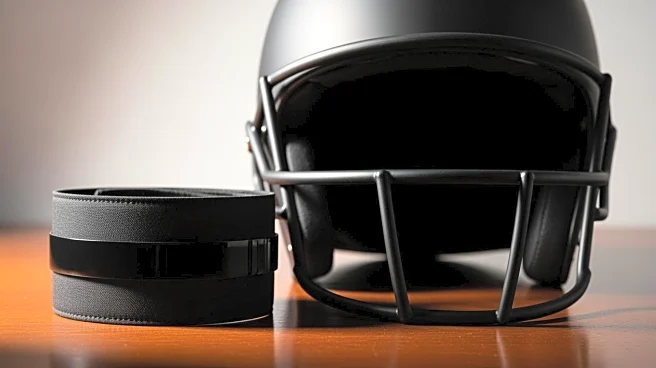
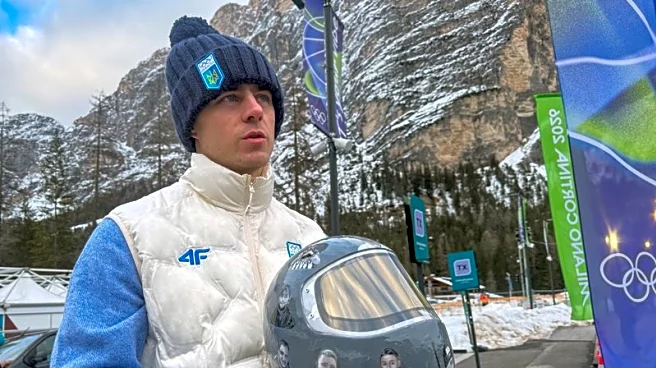
Ukrainian sled racer Vladyslav Heraskevych is making headlines at the Winter Olympics in Cortina d'Ampezzo, Italy, by wearing a helmet that honors fellow athletes killed during Russia's invasion of Ukraine. Despite a ban from the International Olympic Committee (IOC) on such displays, Heraskevych has continued to wear the helmet during training runs. The helmet features images of athletes who lost their lives in the conflict, including figure skater Dmytro Sharpar and biathlete Yevhen Malyshev. The IOC has warned Heraskevych that he could face disqualification if he persists in wearing the helmet during competitions. The committee has offered a compromise, allowing him to wear a black armband instead. Heraskevych, however, remains defiant, arguing
that the IOC's stance represents a double standard, as other athletes have been permitted to express personal grief during the Games.
Why It's Important?
This situation highlights the ongoing tension between sports and politics, particularly in the context of international conflicts. Heraskevych's actions bring attention to the plight of Ukraine amid the ongoing war with Russia, using the global platform of the Olympics to raise awareness. The IOC's response underscores the challenges of maintaining political neutrality in sports, especially when athletes use their visibility to make statements about global issues. The decision to ban the helmet could be seen as an attempt to prevent the Games from becoming a stage for political demonstrations, but it also raises questions about the role of sports in addressing humanitarian crises. The outcome of this situation could influence future policies on political expressions in international sports events.
What's Next?
The skeleton sled competition is set to continue, with Heraskevych scheduled to compete in the preliminary heats. The IOC's decision on whether to enforce the ban during the competition will be closely watched, as it could set a precedent for how political expressions are handled in future Olympic Games. Heraskevych's defiance may inspire other athletes to make similar statements, potentially leading to broader discussions within the IOC about the balance between political neutrality and freedom of expression. The situation also puts pressure on the IOC to address the concerns of athletes from conflict zones, who may feel that their voices are being silenced on the international stage.
Beyond the Headlines
The controversy surrounding Heraskevych's helmet raises deeper questions about the ethical responsibilities of international sports organizations. The IOC's stance on political neutrality is intended to keep the focus on athletic performance, but it may inadvertently suppress important conversations about global issues. This incident could prompt a reevaluation of how sports can be used as a platform for advocacy and whether there should be more flexibility in allowing athletes to express solidarity with humanitarian causes. Additionally, the situation highlights the ongoing impact of the Russia-Ukraine conflict on the international community, as athletes from both countries navigate the complexities of competing on the world stage amid geopolitical tensions.