
What's Happening?
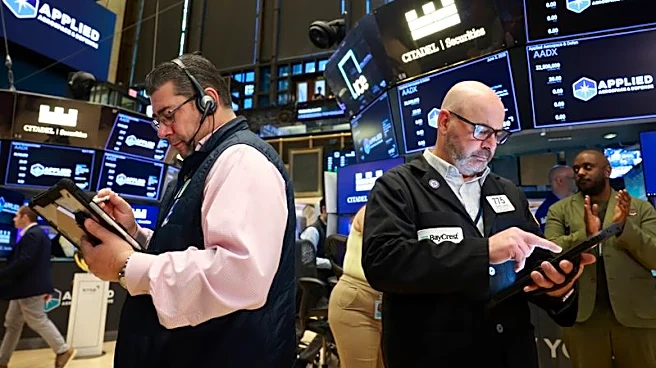
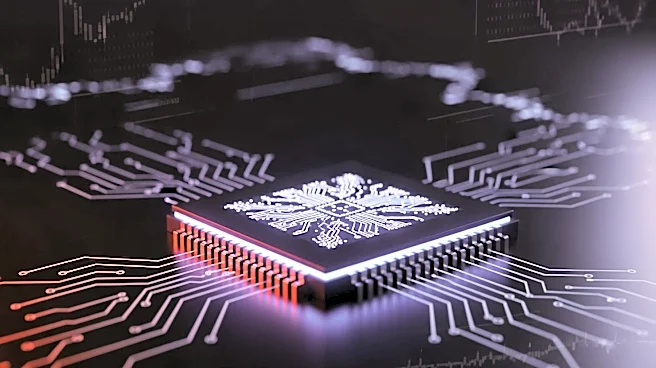
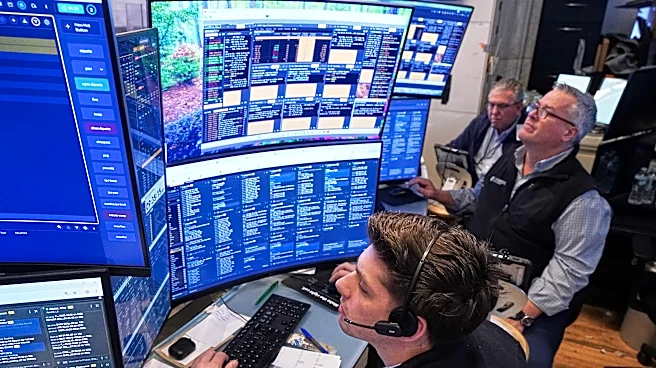
On June 5, 2026, the U.S. stock market experienced significant volatility, with futures for the S&P 500 and Nasdaq declining. This downturn was primarily driven by a selloff in semiconductor stocks, which
had previously been a major factor in Wall Street's recovery from earlier lows. Key semiconductor companies like Nvidia, Intel, Micron, AMD, and Broadcom saw their stock prices drop between 1.2% and 2.5% in premarket trading. The market's focus was also on the upcoming May employment report, which could influence the Federal Reserve's policy decisions. The report was expected to show a rise in nonfarm payrolls, indicating a stable labor market. Additionally, the new Federal Reserve Chair, Kevin Warsh, is set to hold his first policy meeting later this month, amid concerns of elevated inflation and a subdued labor market.
Why It's Important?
The volatility in the stock market highlights the ongoing challenges faced by the U.S. economy, including inflation and labor market issues. The semiconductor sector's performance is crucial as it has been a significant driver of recent market gains. The upcoming employment report and Federal Reserve meeting are critical as they could shape future monetary policy, impacting interest rates and economic growth. Investors are closely watching these developments, as any changes in policy could affect market stability and investment strategies. The situation also underscores the broader economic uncertainties, including geopolitical tensions in the Middle East, which could further influence market dynamics.
What's Next?
Investors and market analysts will be closely monitoring the release of the May employment report and the Federal Reserve's upcoming policy meeting. The outcomes of these events could provide insights into the central bank's approach to managing inflation and supporting economic growth. Additionally, the market will be watching for any further developments in the semiconductor sector, as well as geopolitical events that could impact global economic stability. The Federal Reserve's decisions will be pivotal in determining the direction of interest rates and their impact on the broader economy.