
What's Happening?
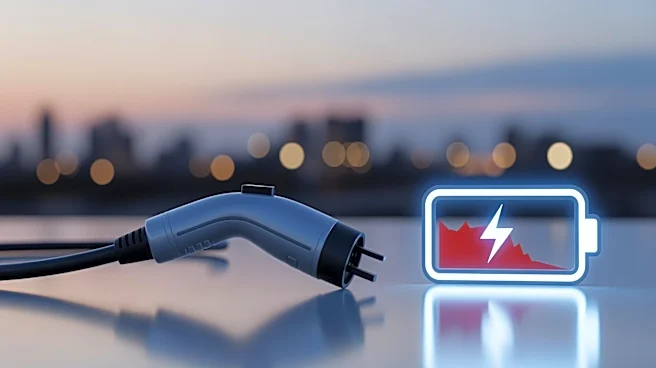
Consumer Reports conducted tests on several electric vehicles (EVs) to determine their real-world range, revealing that some models fall significantly short of their advertised capabilities. The Rivian R1S, Ford F-150 Lightning, and Lucid Air were among
the vehicles that failed to meet their expected range, each stopping at least 50 miles short. This discrepancy is attributed to the testing methods used by the United States Environmental Protection Agency (EPA), which involve laboratory settings rather than real-world conditions. Despite these findings, some EVs, such as the Chevrolet Silverado EV, BMW i4, and Hyundai Ioniq 5N, exceeded their advertised range.
Why It's Important?
The findings highlight a critical issue in the EV market, where consumers rely heavily on advertised range when making purchasing decisions. The gap between expected and actual performance could impact consumer trust and satisfaction, potentially slowing the adoption of electric vehicles. This situation underscores the need for more accurate testing methods that reflect real-world driving conditions. As the EV market continues to grow, addressing these discrepancies is crucial for manufacturers to maintain credibility and for consumers to make informed decisions.
What's Next?
Manufacturers may need to adjust their testing protocols to better simulate real-world conditions, potentially collaborating with regulatory bodies to develop more accurate testing standards. This could lead to changes in how EV ranges are advertised and communicated to consumers. Additionally, as the market evolves, consumers may become more discerning, demanding transparency and accuracy in performance claims. The industry might also see increased competition as manufacturers strive to improve battery technology and efficiency to meet consumer expectations.