





What's Happening?
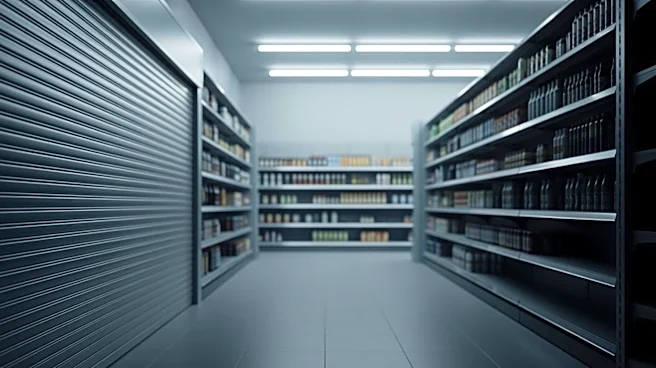
7-Eleven has announced plans to close 645 stores in North America during the 2026 fiscal year, as detailed in recent earnings reports. The closures are part of a strategic shift by Seven & i Holdings Co., the Japanese parent company, which includes converting
some locations into wholesale fuel stores. This move comes amid economic pressures such as inflation and reduced consumer spending, particularly affecting low-income households. The company has been steadily increasing its wholesale fuel store presence, with over 900 such locations by the end of 2025. Despite the closures, 7-Eleven plans to open 205 new stores, although this will not offset the number of closures.
Why It's Important?
The decision to close a significant number of 7-Eleven stores underscores the challenges faced by the retail sector in the current economic climate. Rising inflation and geopolitical tensions, notably the conflict involving the U.S. and Israel against Iran, have led to increased energy prices and operational costs. These factors are straining consumer spending, particularly in North America. The closures could lead to job losses and reduced convenience for consumers, impacting local economies. The shift towards wholesale fuel stores suggests a strategic adaptation to changing market conditions, which may influence other retailers to reconsider their business models.
What's Next?
7-Eleven's parent company is focusing on growth opportunities, including enhancing its convenience store offerings with fresh food options and expanding the '7NOW' delivery service. Under the leadership of new CEO Stephen Hayes Dacus, the company is likely to continue exploring strategic changes to navigate the challenging economic environment. The retail industry will be observing 7-Eleven's adaptation strategies, which could set precedents for other convenience store chains facing similar pressures. The company's financial performance and consumer response to these changes will be critical in the coming months.