






What's Happening?
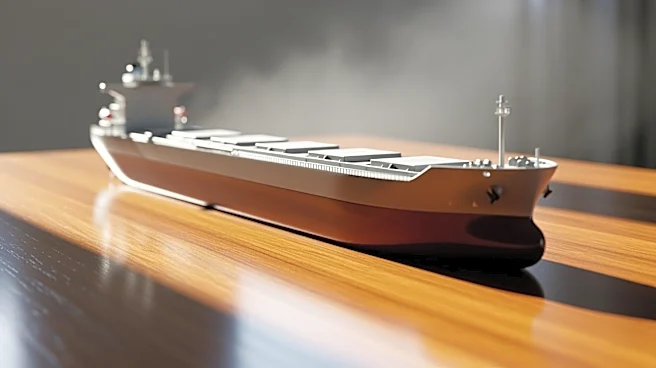
Rio Tinto has entered into a contract with NS United Kaiun Kaisha (NSU) to charter two methanol-capable dual-fuel Newcastlemax bulk carriers, set for delivery from 2028 onwards. This strategic move is part of Rio Tinto's broader initiative to adapt its
freight operations in anticipation of evolving industry regulations on decarbonization. Laure Baratgin, Rio Tinto's Head of Commercial Operations, emphasized the importance of flexibility in their shipping portfolio to remain competitive and safe amidst the uncertain pace and direction of alternative fuel adoption. NSU President Kazuma Yamanaka highlighted the significance of long-term operability and safety, noting that methanol capability offers necessary flexibility as regulatory and market demands evolve.
Why It's Important?
This development is significant as it underscores the shipping industry's shift towards more sustainable practices in response to global decarbonization efforts. By investing in methanol-capable vessels, Rio Tinto is positioning itself to meet future environmental regulations and market demands, potentially setting a precedent for other companies in the sector. The move reflects a growing trend among major corporations to incorporate alternative fuels into their operations, which could lead to broader adoption of cleaner technologies across the industry. This transition not only impacts shipping companies but also affects global supply chains, environmental policies, and the future of maritime logistics.
What's Next?
As Rio Tinto and other industry players continue to explore alternative fuels like ammonia, the shipping sector may see increased collaboration between charterers and shipowners to develop and implement new technologies. This could lead to advancements in infrastructure and safety frameworks necessary for the widespread adoption of multifuel vessels. Stakeholders, including regulatory bodies and environmental groups, will likely monitor these developments closely, potentially influencing future policy decisions and industry standards. The success of such initiatives could accelerate the transition to a more sustainable maritime industry.