



What's Happening?
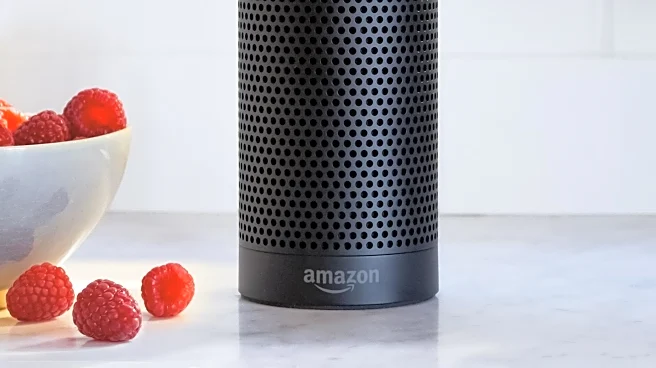
Amazon Echo devices, initially launched in 2014, have become a staple in smart home technology. As newer models are released, older Echo devices can be repurposed rather than discarded. One innovative use is transforming these devices into a household
intercom system. This feature, known as Alexa's Household Drop In, allows for instant communication between Alexa-enabled devices within a home. Users can initiate a two-way audio link by simply instructing Alexa to 'drop in' on a specific device or room. This system can be particularly useful for families, enabling communication across different rooms without the need for shouting. Additionally, older Echo devices can be integrated into smart home routines, such as setting alarms, controlling smart lights, or even starting a coffee maker, enhancing the overall smart home experience.
Why It's Important?
The ability to repurpose older Amazon Echo devices for home automation and intercom systems highlights the versatility and longevity of smart home technology. This approach not only reduces electronic waste but also maximizes the utility of existing devices, offering cost-effective solutions for enhancing home connectivity. As smart home technology becomes increasingly prevalent, the ability to integrate older devices into new systems can provide significant value to consumers. This trend also reflects a broader movement towards sustainable technology practices, encouraging users to find new uses for outdated devices rather than discarding them. For Amazon, this could strengthen customer loyalty by demonstrating the long-term value of their products.
What's Next?
As smart home technology continues to evolve, we can expect further innovations in how devices like Amazon Echo are utilized. Future developments may include enhanced integration with other smart home systems and increased functionality through software updates. Consumers may also see more incentives from companies like Amazon to trade in or repurpose older devices, aligning with sustainability goals. Additionally, as the smart home market grows, there may be increased competition among tech companies to offer the most versatile and user-friendly solutions, potentially leading to more advanced features and lower prices for consumers.