




What's Happening?
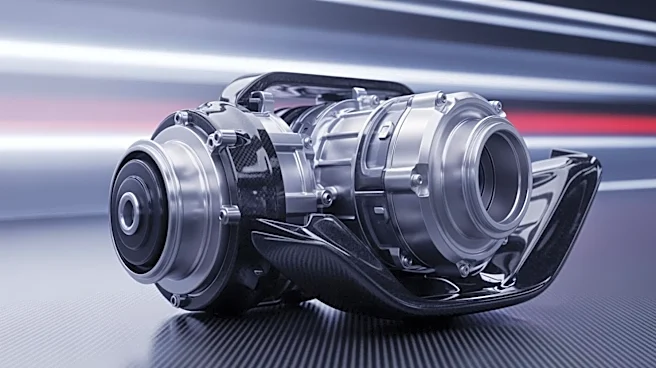
Formula 1 is set to undergo significant rule changes in 2027, focusing on altering the current 50/50 power split between internal combustion engines and electrical energy. The proposed changes aim to increase the internal combustion engine's output by
50kW through a higher fuel flow rate, while reducing electrical deployment by the same amount. This shift is intended to address energy limitations that have affected qualifying performances and driving strategies. Additionally, the FIA is considering increasing battery capacity from 4MJ to 5MJ, which would allow for faster energy capture and storage. However, these changes present challenges, particularly regarding fuel tank sizes and chassis design, as many teams plan to carry over their 2026 chassis to 2027. The FIA is exploring solutions, including cost cap concessions or reducing race distances, to accommodate the increased fuel requirements.
Why It's Important?
The 2027 rule changes in Formula 1 are crucial as they aim to enhance the sport's competitiveness and sustainability. By adjusting the power dynamics between combustion and electrical energy, the changes could lead to more exciting races and improved performance consistency. These modifications also reflect a broader trend in motorsports towards balancing traditional engine power with modern energy solutions. The potential increase in battery capacity and fuel flow rate could drive technological advancements in automotive engineering, influencing both the sport and the wider automotive industry. However, the financial implications for teams, particularly those with limited budgets, could be significant, necessitating careful management of cost caps and resource allocation.
What's Next?
As Formula 1 moves towards implementing these rule changes, technical discussions and analyses will continue to address the practical and political challenges involved. Teams and manufacturers will need to adapt their designs to accommodate the new power configurations, potentially leading to innovations in engine and chassis technology. The FIA will also need to negotiate compromises on cost caps and race distances to ensure a smooth transition. The outcome of these discussions will determine the feasibility of the proposed changes and their impact on the sport's future. Stakeholders, including teams, manufacturers, and fans, will be closely monitoring developments as the 2027 season approaches.