




What's Happening?
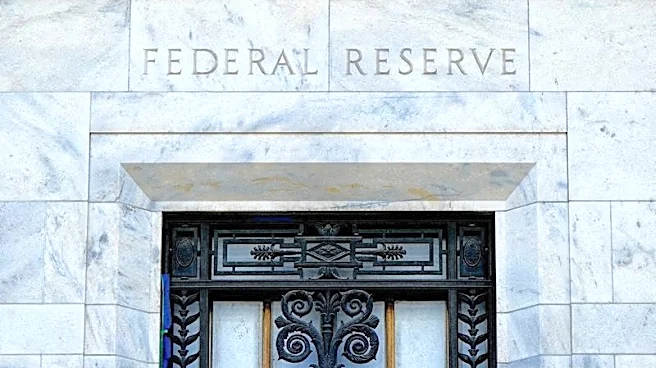
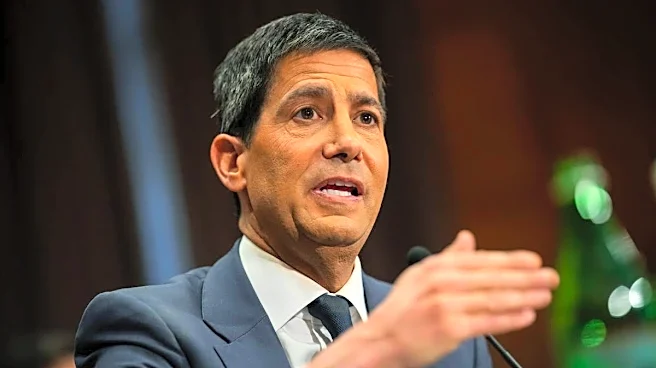
The U.S. Federal Reserve, under the leadership of new Chair Kevin Warsh, is anticipated to keep its key interest rate unchanged in the upcoming meeting. This decision comes in the context of rising inflation, which has reached a three-year high due to increased
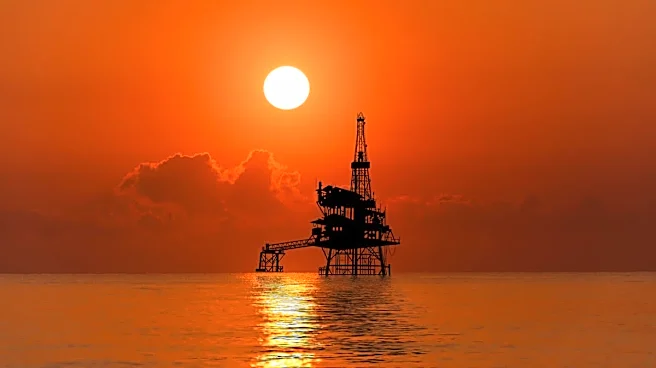
oil prices following the Iran war. Warsh, who was appointed by President Trump, previously supported rate cuts but now faces the challenge of balancing the President's preference for lower borrowing costs with the need to control inflation. The Fed is likely to adjust its post-meeting statement to remove language suggesting an imminent rate cut, potentially paving the way for a future rate hike if inflation does not decrease.
Why It's Important?
The Federal Reserve's decision to maintain interest rates is significant as it reflects the central bank's strategy to manage inflation without stifling economic growth. With inflation at a three-year high, the Fed's actions will be closely watched by financial markets and economic stakeholders. The decision could impact borrowing costs, consumer spending, and investment strategies. If inflation continues to rise, the Fed may consider a rate hike, which could affect the broader economy by increasing the cost of borrowing for businesses and consumers. This decision also highlights the Fed's role in balancing economic growth with inflation control, a critical aspect of monetary policy.
What's Next?
The Federal Reserve's upcoming meeting will be crucial in setting the tone for future monetary policy. If inflation does not show signs of cooling, the Fed may consider a rate hike by the end of the year. This potential shift in policy could lead to increased scrutiny from political leaders and economic analysts. The Fed's decision will also influence global financial markets, as other central banks may adjust their policies in response. Stakeholders will be watching for any changes in the Fed's language or policy direction, which could signal future economic trends.