





What's Happening?
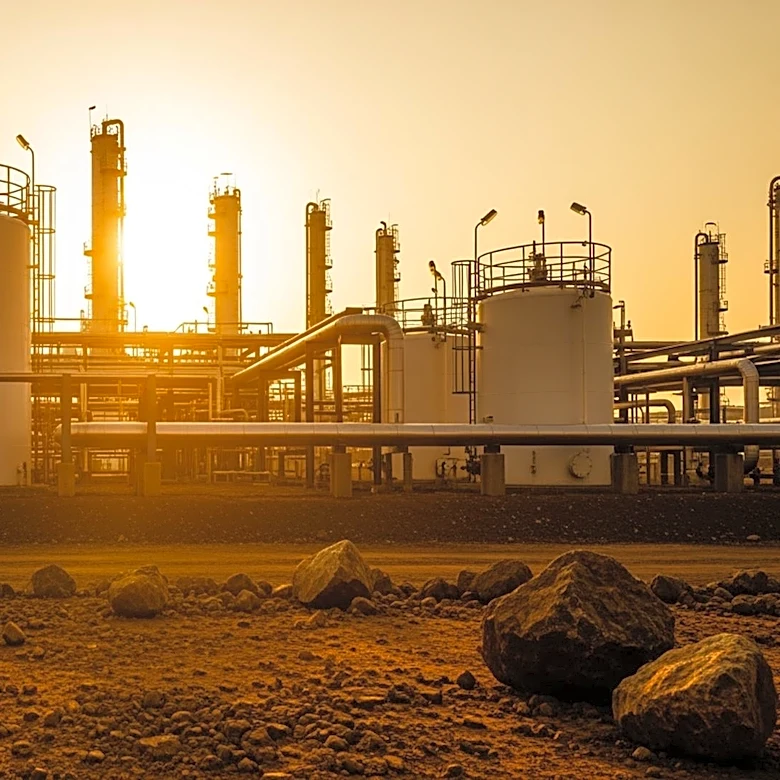
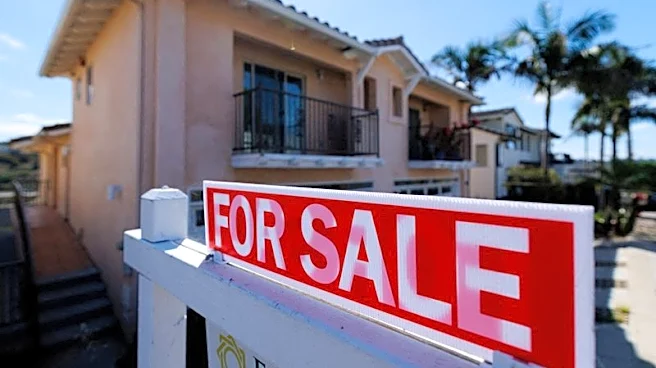
The conflict in Iran has led to increased uncertainty in the housing market, causing mortgage application volumes to fall for four consecutive weeks. The recent spike in mortgage rates has added approximately $100 to monthly payments for median-priced
homes, impacting affordability. Lenders report that the primary issue for potential homebuyers is the uncertainty rather than being priced out traditionally. The Mortgage Bankers Association notes that higher oil prices and market volatility are affecting consumer sentiment. Inflation pressures are also rising, with a 3.3% increase in prices over the past year, driven by energy costs.
Why It's Important?
The uncertainty stemming from the Iran conflict is affecting the housing market by deterring potential buyers, even those who are pre-approved. This situation highlights the sensitivity of the housing market to geopolitical events and economic fluctuations. The increase in mortgage rates and inflation pressures could further strain consumer budgets, impacting spending and economic growth. The pause in buyer activity may lead to a slowdown in the housing market, affecting real estate professionals and related industries.
What's Next?
Pending home sales data for March will provide further insights into the impact of the conflict on the housing market. Lenders and buyers may continue to exercise caution, waiting for more stable conditions before making decisions. The ongoing geopolitical tensions and inflation pressures could lead to further volatility in mortgage rates, influencing buyer behavior and market dynamics.