

What's Happening?
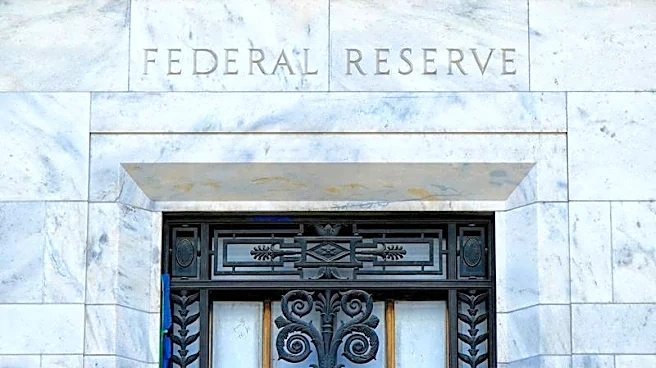
The Federal Reserve is contemplating potential interest rate hikes as inflation continues to rise, driven by increased gas prices due to the Iran war. Minutes from the Fed's March meeting reveal that more policymakers are open to the idea of rate hikes,
marking a shift from previous trends of rate cuts. The Fed has maintained its key rate at 3.6% but is closely monitoring inflation, which is expected to show a significant increase in the upcoming March report. The central bank faces the challenge of balancing inflation control with economic growth and employment.
Why It's Important?
The potential rate hikes by the Federal Reserve could have significant implications for the U.S. economy. Higher interest rates may help curb inflation but could also slow economic growth and increase unemployment. Businesses and consumers may face higher borrowing costs, impacting spending and investment. The Fed's decision will be crucial in navigating the economic challenges posed by the Iran war and its impact on energy prices. The outcome will affect financial markets, consumer confidence, and overall economic stability.
What's Next?
The Federal Reserve will continue to assess inflation trends and economic conditions before making any decisions on rate hikes. The upcoming March inflation report will provide further insights into the impact of rising gas prices. Policymakers will need to weigh the risks of higher inflation against the potential economic slowdown. The Fed's actions will be closely watched by investors, businesses, and consumers, as they could influence financial markets and economic forecasts.