


What's Happening?
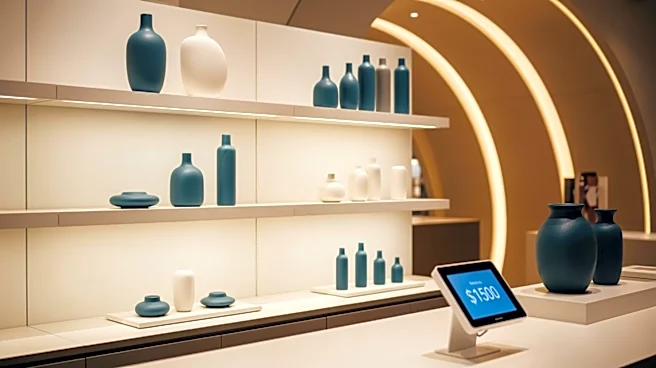
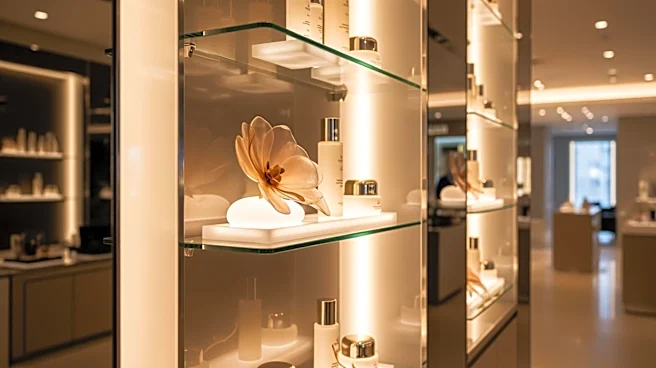
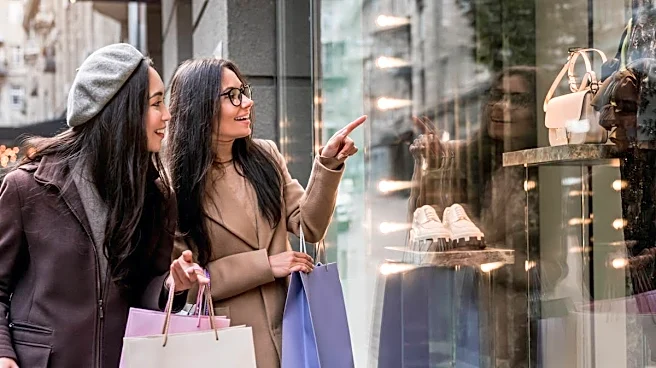
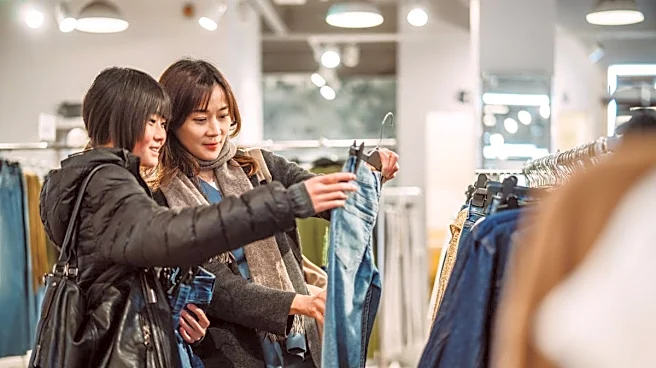
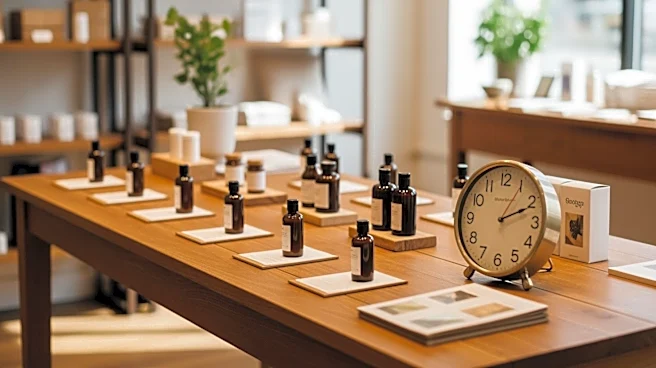
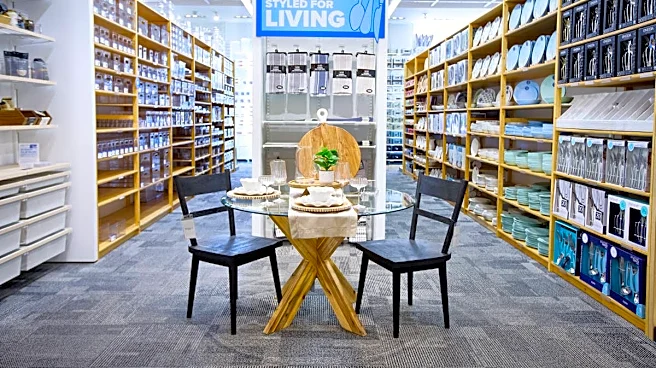
Retailers are increasingly adopting the 'slow shopping' concept to enhance the in-store experience and encourage customers to spend more time browsing. This approach focuses on creating an immersive shopping environment that contrasts with the speed and convenience
of online shopping. By redesigning store layouts and incorporating interactive displays, retailers aim to make shopping a leisurely activity rather than a quick errand. For instance, Sephora uses digital displays to allow customers to virtually try on products, while grocery chain Wegmans offers extensive prepared food sections and seating areas to encourage customers to linger. This strategy is seen as a way to differentiate physical stores from e-commerce by offering unique, in-person experiences.
Why It's Important?
The shift towards 'slow shopping' is significant as it represents a strategic move by brick-and-mortar retailers to compete with the convenience of online shopping. By focusing on the in-store experience, retailers can attract customers who value the tactile and social aspects of shopping. This approach not only increases the time customers spend in stores but also boosts sales through impulse purchases and upselling opportunities. As e-commerce continues to grow, physical retailers must find ways to leverage their unique strengths, such as personal service and experiential shopping, to remain competitive. The success of this strategy could lead to a broader transformation in the retail industry, emphasizing customer engagement and satisfaction.
What's Next?
Retailers are likely to continue experimenting with store layouts and interactive elements to refine the 'slow shopping' experience. As more companies adopt this approach, we can expect to see a variety of innovative in-store experiences designed to attract and retain customers. Retailers may also explore partnerships with local businesses and community events to further enhance the shopping experience. The success of these initiatives will depend on retailers' ability to balance the need for speed and convenience with the desire for a more engaging and leisurely shopping environment.
Beyond the Headlines
The 'slow shopping' movement also raises questions about the future of retail employment. As stores focus more on customer experience, there may be a greater demand for skilled staff who can provide personalized service and manage interactive displays. Additionally, the emphasis on creating a welcoming atmosphere could lead to changes in store design and architecture, influencing how retail spaces are constructed and utilized. This trend may also impact consumer behavior, as shoppers become accustomed to spending more time in stores and engaging with products in new ways.