



What's Happening?
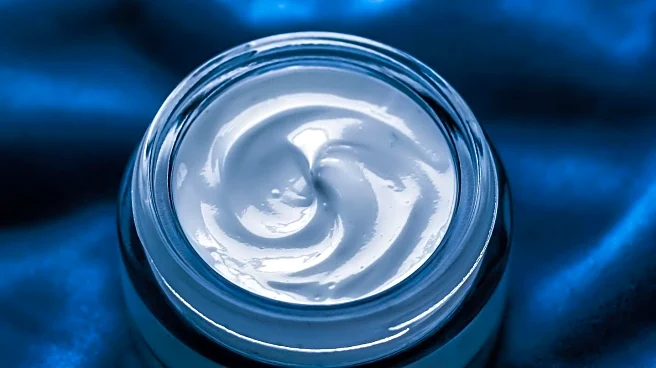
During the winter months, dry skin becomes a prevalent issue due to cold weather and indoor heating, which deplete skin moisture. Barrier repair creams are recommended to combat this dryness. Products like Dr. Jart+ Cicapair Intensive Soothing Repair Cream, Rhode Glazing Milk Hydrating Face Spray, and Glossier After Baume are highlighted for their effectiveness in restoring the skin's natural barrier. These creams typically contain hydrating ingredients such as ceramides, hyaluronic acid, and glycerin, which are essential for maintaining skin moisture. Additionally, a diet rich in vitamin C can support skin health from within, as it is more effectively absorbed through the bloodstream than topically.
Why It's Important?
The significance of barrier repair creams
lies in their ability to address the widespread issue of dry skin during winter, which affects many individuals. By restoring the skin's natural barrier, these creams help prevent further moisture loss, reducing discomfort and potential skin damage. This is particularly important for those with sensitive skin or conditions like eczema, which can be exacerbated by dryness. The use of effective skincare products can improve overall skin health, enhance comfort, and boost confidence, making them a valuable addition to winter skincare routines.
What's Next?
As winter progresses, individuals are likely to continue seeking effective solutions for dry skin. The skincare industry may see increased demand for barrier repair creams and other hydrating products. Consumers might also explore dietary changes to support skin health, such as increasing vitamin C intake. Skincare brands could respond by developing new formulations or expanding their product lines to meet consumer needs. Additionally, educational content on proper skincare routines during winter could become more prevalent, helping individuals make informed choices about their skincare products.
Beyond the Headlines
The focus on barrier repair creams highlights a broader trend towards personalized skincare solutions that cater to specific seasonal needs. This shift reflects a growing awareness of the importance of maintaining skin health and the role of environmental factors in skincare. As consumers become more informed, they may demand greater transparency from brands regarding ingredient efficacy and product safety. This could lead to increased innovation in the skincare industry, with a focus on sustainable and scientifically-backed products.