
What's Happening?
In an increasingly digital world, business travel remains a crucial aspect of executive life, with global business travel expected to exceed $2 trillion by 2029. Effective CEOs employ specific habits to manage
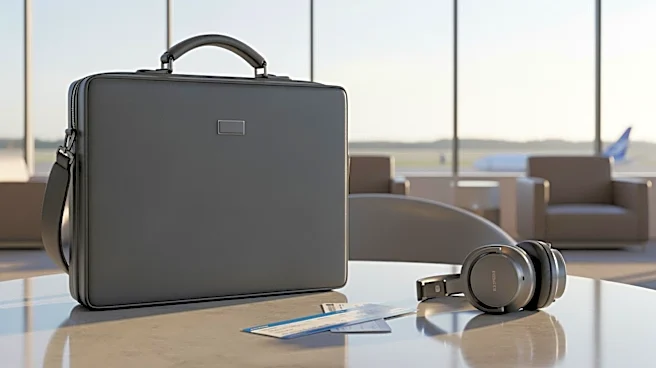
the challenges of frequent travel, ensuring they maintain their health and performance. These habits include thorough preparation, strategic light exposure to combat jet lag, maintaining fitness routines, and post-travel recovery. By scouting destinations, adjusting sleep schedules, and using tools like noise-canceling headphones and blue-light-blocking glasses, executives can mitigate the negative impacts of travel on their well-being.
Why It's Important?
As business travel continues to grow, the ability of executives to manage the demands of travel is critical for maintaining their effectiveness and decision-making capabilities. The outlined habits not only help in preserving physical health but also support mental and emotional well-being, which are essential for leadership roles. By adopting these strategies, executives can ensure they remain sharp and focused, which is vital for navigating the complexities of global business environments and making high-stakes decisions.
What's Next?
With the anticipated growth in business travel, companies may increasingly focus on supporting their executives in adopting these effective travel habits. This could involve providing resources for travel preparation, encouraging fitness and wellness practices, and facilitating recovery time post-travel. As the business landscape evolves, the ability to travel efficiently and maintain performance will likely become a key competency for leaders, influencing corporate travel policies and executive training programs.