
What's Happening?
The 2026 Met Gala, a major fundraising event for the Costume Institute of the Metropolitan Museum of Art, is set to take place on May 4. This year's theme, 'Costume Art,' will showcase the intersection
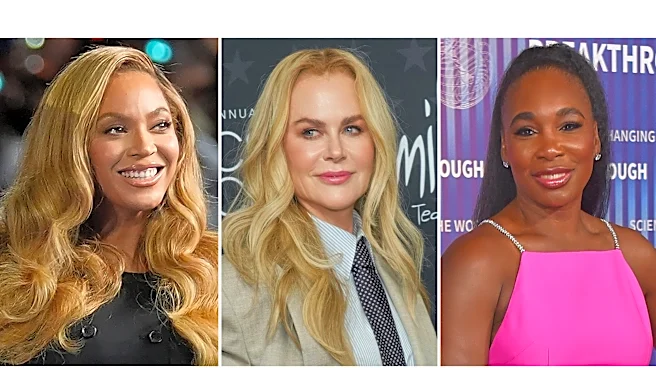
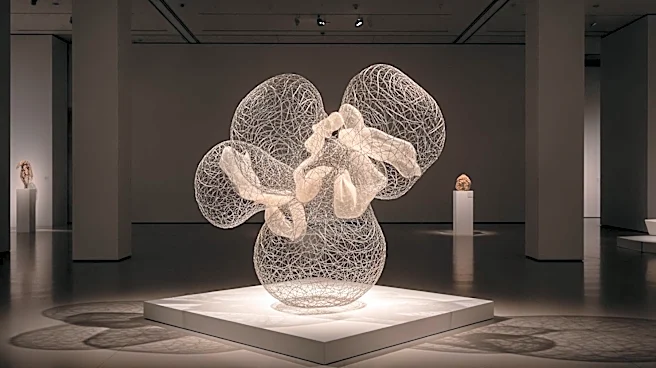
of fashion and art by pairing 200 art objects with 200 garments. Beyoncé, along with Nicole Kidman, Venus Williams, and Anna Wintour, will co-chair the event. The gala will also feature a new exhibition space, the Conde M. Nast Galleries, which will enhance the display of fashion and art. Jeff Bezos and Lauren Sánchez Bezos are the lead sponsors, although their participation has sparked protests from an activist group. The event is expected to draw around 400 guests, with individual tickets priced at $100,000.
Why It's Important?
The Met Gala is a significant cultural event that not only raises substantial funds for the Costume Institute but also influences fashion trends globally. The involvement of high-profile figures like Beyoncé and Jeff Bezos highlights the event's prestige and its role in merging celebrity culture with philanthropy. The introduction of the 'Costume Art' theme and the new gallery space reflects a growing trend of integrating diverse body types and promoting inclusivity in fashion. This year's gala could set new standards for how art and fashion are presented and perceived, potentially impacting future exhibitions and fashion events.
What's Next?
Following the gala, the 'Costume Art' exhibition will open to the public on May 10, allowing broader access to the innovative display of fashion and art. The event's success could influence future Met Galas and similar cultural events to adopt more inclusive and diverse themes. Additionally, the protests against Bezos's involvement may prompt discussions about the role of billionaires in cultural philanthropy, potentially affecting future sponsorships and partnerships.
Beyond the Headlines
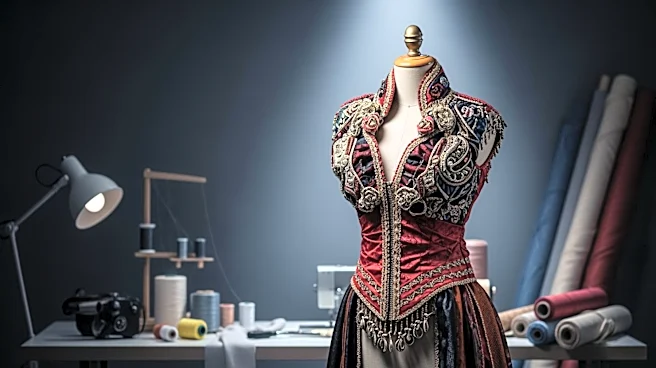
The Met Gala's focus on body positivity and inclusivity, as seen in the new mannequins representing diverse body types, could have long-term implications for the fashion industry. This shift towards inclusivity may encourage designers and brands to embrace a wider range of body types in their collections, promoting a more diverse representation in fashion media. The event also underscores the ongoing dialogue about the influence of wealth and power in cultural institutions, raising questions about accessibility and representation in high-profile events.