
What's Happening?
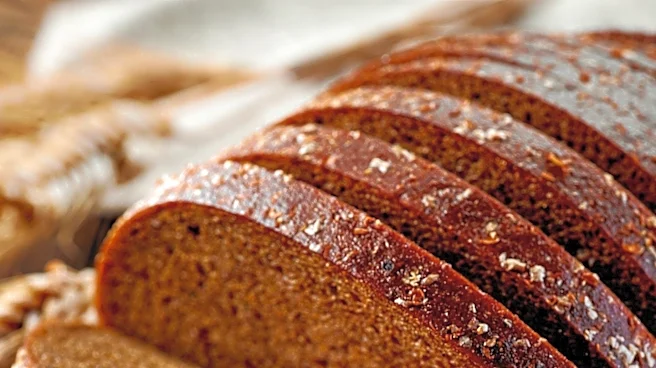
Rye bread, a staple in many cultures, is gaining attention for its hearty texture and distinctive flavor. Made from rye grain flour, it is often mixed with wheat flour and relies on sourdough fermentation
for its tangy taste. Despite its nutritional benefits, including high fiber content and essential minerals, rye bread is not suitable for everyone. It contains gluten, making it unsuitable for individuals with celiac disease or gluten sensitivity. Additionally, its high fiber and fructan content may cause digestive discomfort for those with irritable bowel syndrome (IBS) or similar conditions. The bread's nutritional value can vary based on the proportion of rye to wheat flour and the presence of added sugars or preservatives.
Why It's Important?
The growing popularity of rye bread highlights a shift towards more diverse dietary options that offer health benefits. Its high fiber content supports digestive health and may aid in weight management by promoting satiety. The presence of B vitamins and essential minerals like magnesium and iron contributes to overall health, supporting functions such as muscle and nerve function, bone health, and immune support. However, the gluten content poses a challenge for those with gluten-related disorders, emphasizing the need for clear labeling and consumer awareness. The trend towards whole-grain rye bread reflects a broader movement towards healthier eating habits, impacting consumer choices and food industry offerings.
What's Next?
As consumer interest in rye bread continues to grow, there may be increased demand for gluten-free alternatives and clearer labeling to cater to those with dietary restrictions. The food industry might respond by developing new products that maintain the nutritional benefits of rye while addressing gluten sensitivity. Additionally, public health campaigns could focus on educating consumers about the benefits and limitations of rye bread, promoting balanced diets that include a variety of whole foods. This could lead to further innovation in bread production and a broader range of options for health-conscious consumers.
Beyond the Headlines
The rise of rye bread in the market also reflects cultural and culinary shifts towards embracing traditional and artisanal food products. This trend may encourage more sustainable agricultural practices, as rye is a hardy crop that can grow in poor soil conditions, potentially reducing the environmental impact of grain production. Furthermore, the emphasis on whole-grain products aligns with global health initiatives aimed at reducing the prevalence of diet-related diseases. As consumers become more informed about the health implications of their food choices, the demand for transparency and quality in food production is likely to increase.