






What's Happening?
Epic Group, a leading apparel manufacturer, has inaugurated the Trimetro Manufacturing Campus in Khordha, Odisha, marking a significant $100 million investment. This facility is notable for being India's first garment manufacturing site to achieve both
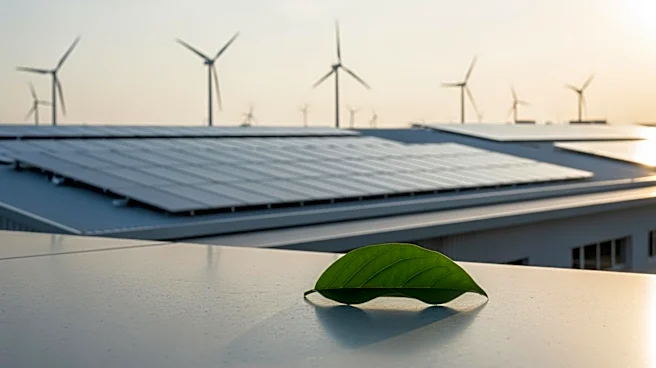
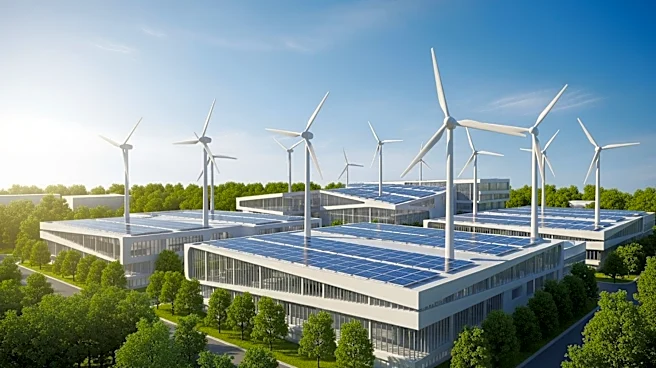
net-zero carbon and net-zero water status. Spanning 40 acres, the campus is designed to produce 20 million garments annually and create 10,000 jobs, with a workforce comprising 80% women. The project is supported by a $100 million debt financing package from the International Finance Corporation (IFC), which includes sustainability-linked and green loans. The campus integrates renewable energy sources such as solar power and sustainable biomass, alongside energy-efficient systems and battery storage, to minimize emissions. Additionally, it employs advanced water conservation and recycling systems to maintain a net-positive water balance.
Why It's Important?
The inauguration of the Trimetro Manufacturing Campus represents a significant advancement in sustainable industrial practices. By achieving net-zero carbon and water status, the facility sets a new standard for environmentally responsible manufacturing. This development is crucial as it aligns with global efforts to reduce industrial carbon footprints and conserve water resources. The creation of 10,000 jobs, predominantly for women, also highlights the project's commitment to inclusive economic growth. The support from IFC underscores the importance of sustainable financing in driving such initiatives. This campus not only enhances India's manufacturing capabilities but also positions the country as a leader in sustainable industrial development, potentially influencing global manufacturing practices.
What's Next?
The Trimetro Manufacturing Campus is expected to serve as a model for future manufacturing facilities, promoting the integration of sustainability in industrial operations. As the campus begins full-scale operations, it will likely attract attention from global brands seeking sustainable production partners. The success of this project could encourage other manufacturers to adopt similar practices, potentially leading to broader industry shifts towards sustainability. Additionally, the focus on employing a predominantly female workforce may inspire similar initiatives aimed at promoting gender equality in the workplace. The ongoing support from IFC and other stakeholders will be crucial in maintaining and expanding these sustainable practices.