
What's Happening?
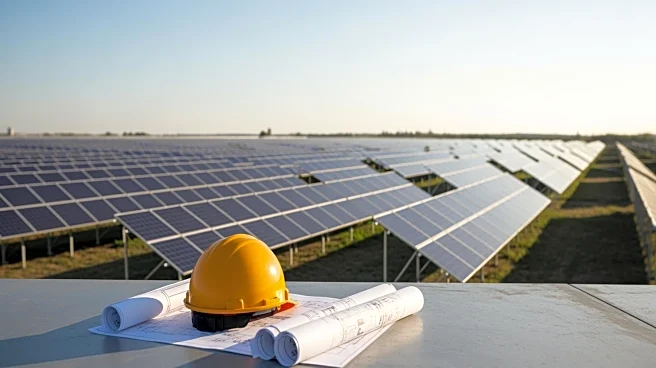
A coalition of 143 solar energy companies has sent a letter to the U.S. Congress, urging collaboration with the Department of the Interior (DOI) to address a July memo that has effectively halted permitting
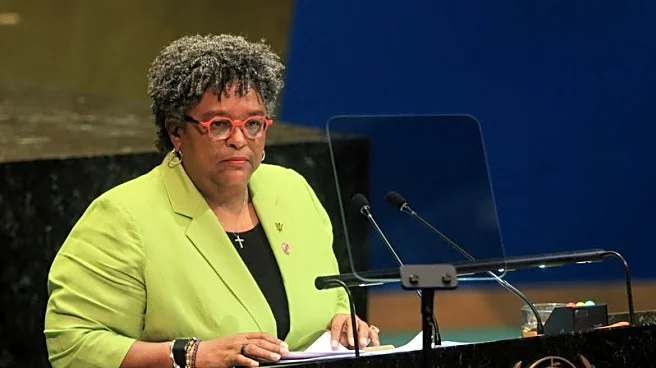
for solar projects. The companies argue that the memo has led to a near-complete moratorium on permitting for projects involving the DOI, affecting both federal and private lands. This situation has created significant uncertainty for businesses investing in solar energy projects in the United States. The Solar Energy Industries Association (SEIA) has highlighted that over 500 projects are at risk of delays or cancellation due to this policy. SEIA President Abigail Ross Hopper emphasized the need for permitting reform that ensures equal treatment of all energy sources, criticizing the current approach as unsustainable.
Why It's Important?
The current permitting moratorium poses a significant threat to the growth of the solar energy sector in the U.S., which is crucial for meeting the country's increasing energy demands. The solar industry is a key player in the transition to a clean energy economy, and delays in project deployment could hinder job creation and economic growth. The uncertainty caused by the DOI's memo could deter investment in solar projects, impacting the industry's ability to compete with other energy sources. Ensuring a fair and efficient permitting process is essential for maintaining the momentum of solar energy development and achieving national energy goals.
What's Next?
The solar companies are calling for Congress to work with the DOI to revoke the July memo or implement short-term measures to prevent unnecessary delays in energy development. The SEIA and its member companies are committed to advocating for a permitting reform that provides certainty and equal treatment for all energy sources. The outcome of these negotiations will be crucial for the future of solar energy projects in the U.S., and stakeholders will be closely monitoring the government's response to these industry concerns.