



What's Happening?
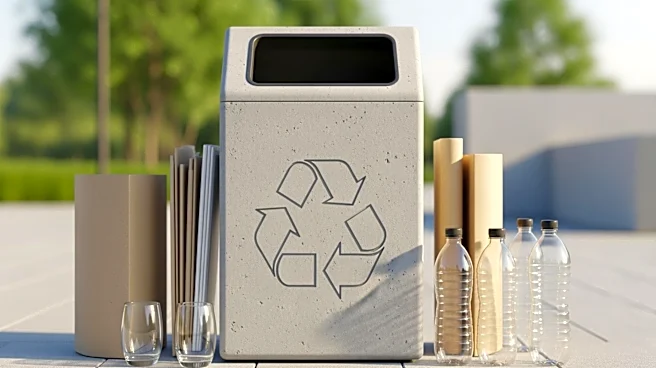
Biota Nutri has become a member of STORL, a Dutch foundation that manages the collection and sustainable processing of agricultural packaging and product residues. STORL is integral to the Netherlands' Extended Producer Responsibility (EPR) framework,
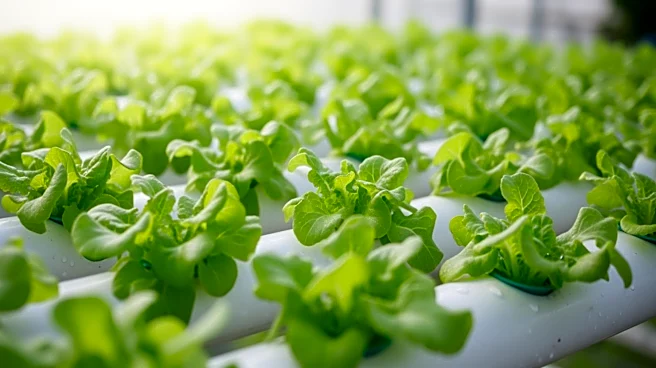
which mandates that producers and importers share responsibility for the lifecycle of their products, including post-use collection and processing. By joining STORL, Biota Nutri aims to contribute to a more sustainable agricultural industry. The company is known for its plant-based nutrition solutions that minimize environmental impact while maintaining agronomic performance. This includes their Onsite Nitrogen Production (ONP) system, which allows growers to produce nitrogen locally, thereby reducing emissions and reliance on traditional supply chains.
Why It's Important?
Biota Nutri's participation in STORL underscores a growing trend in the agricultural sector towards sustainability and accountability. As regulatory pressures increase across Europe regarding waste management and producer responsibility, companies like Biota Nutri are taking proactive steps to align with these evolving standards. This move not only supports environmental goals but also positions Biota Nutri as a leader in sustainable agricultural practices. By ensuring that their products are managed responsibly throughout their lifecycle, Biota Nutri is helping to set a precedent for other companies in the industry, potentially influencing broader adoption of circular economy principles.
What's Next?
As Biota Nutri integrates into STORL, the company will likely focus on enhancing its sustainable practices and technologies. This could involve further development of their ONP system and other innovations that support local production and reduce environmental impact. The agricultural sector may see increased collaboration between companies and regulatory bodies to establish more comprehensive sustainability frameworks. Stakeholders, including growers and suppliers, will need to adapt to these changes, potentially leading to shifts in industry standards and practices.