





What's Happening?
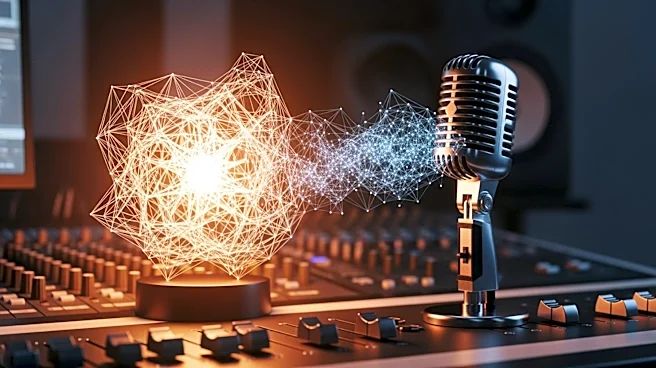
Samuel Smith, a London-based singer-songwriter diagnosed with Parkinson's disease, has utilized artificial intelligence (AI) tools to continue his music career despite losing the ability to play guitar. Smith's condition, which causes tremors and stiffness,
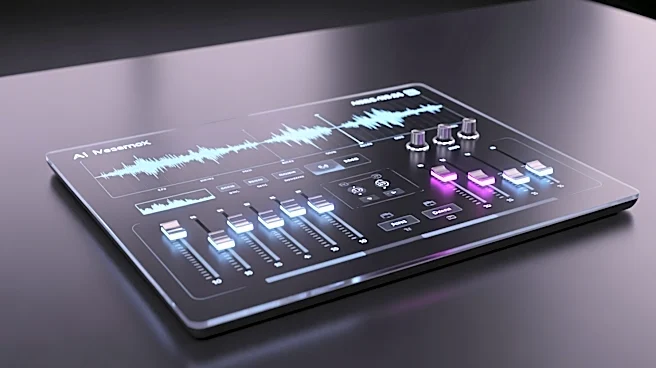
has hindered his guitar skills, prompting him to use AI platforms like Suno and Udio to create demo arrangements for his latest album, 'The Art of Letting Go.' These AI tools helped him convey his musical ideas to session musicians, allowing him to maintain his creative output. The album features collaborations with renowned musicians and was produced by Grammy-winning pianist Matt Rollings.
Why It's Important?
Smith's use of AI highlights the potential of technology to assist individuals with disabilities in creative fields. By enabling Smith to continue producing music, AI demonstrates its capacity to enhance accessibility and inclusivity in the arts. This development also underscores the ongoing debate within the music industry regarding the use of AI, with some artists expressing concerns over copyright and the impact on royalties. However, Smith's experience suggests that AI can be a valuable tool for artists facing physical challenges, offering new avenues for creative expression and collaboration.
What's Next?
The broader implications of AI in music are likely to continue evolving as more artists explore its potential. Smith's collaboration with the Berklee Music and Health Institute to discuss music's role in supporting neurological conditions indicates a growing interest in the intersection of technology, health, and the arts. As AI tools become more sophisticated, they may offer further opportunities for artists with disabilities to engage in creative processes, potentially leading to new partnerships between tech companies and the music industry.
Beyond the Headlines
Smith's story raises important questions about the ethical use of AI in creative industries. While AI can democratize music production, it also poses challenges related to artistic authenticity and the preservation of traditional music-making processes. The balance between technological innovation and the preservation of human creativity will be a key consideration as AI continues to influence the arts.