


What's Happening?
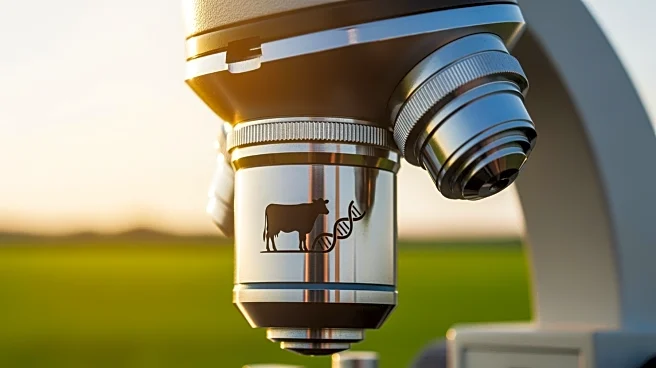
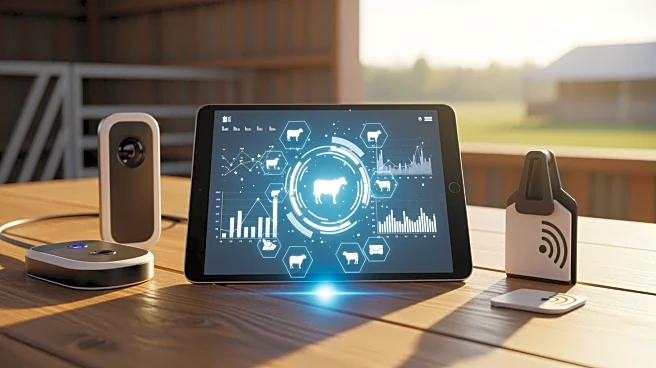
In 2025, livestock producers have seen the introduction of several innovative tools aimed at improving farm management. Notable advancements include the ClicRweight Bovine Solution, which uses 3D cameras to measure cattle weights with high accuracy, and Beefree Agro's drone automation software for herd monitoring. Virtual fencing technology has also gained traction, offering flexibility for intensive grazing rotations. At the World Dairy Expo, products like CowManager's Find My Cow Flash and BouMatic's MilkGenius were highlighted for their ability to streamline dairy operations. These innovations reflect a broader trend towards integrating technology in agriculture to enhance productivity and efficiency.
Why It's Important?
The adoption of advanced technologies
in livestock management is crucial for addressing labor and time constraints faced by farmers. By automating routine tasks and providing real-time data insights, these tools enable more efficient resource management and decision-making. This can lead to increased productivity, reduced operational costs, and improved animal welfare. As the agricultural sector faces challenges such as climate change and market volatility, technology-driven solutions offer a pathway to sustainable and resilient farming practices.
What's Next?
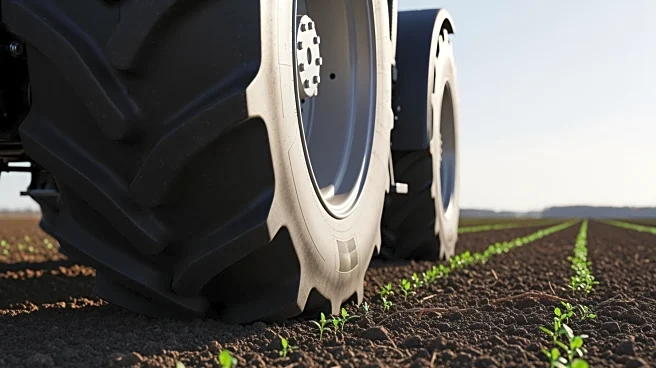
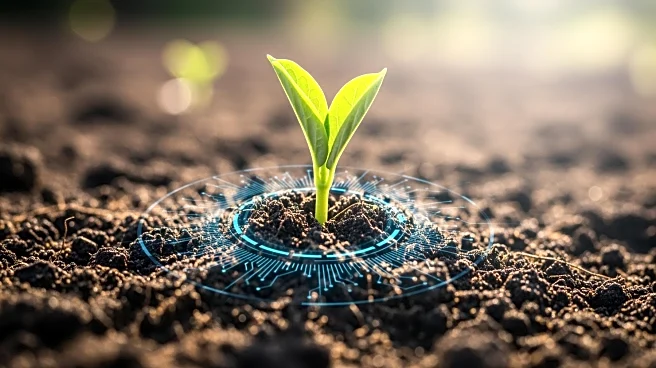
The continued development and deployment of smart farming technologies are expected to transform the agricultural landscape. As more farmers adopt these tools, there will be a growing demand for training and support to maximize their benefits. Additionally, the integration of data analytics and IoT in agriculture will likely lead to more personalized and precise farming practices. Policymakers and industry stakeholders will need to collaborate to ensure that technological advancements are accessible to all farmers, regardless of scale, and that they contribute to broader sustainability goals.
Beyond the Headlines
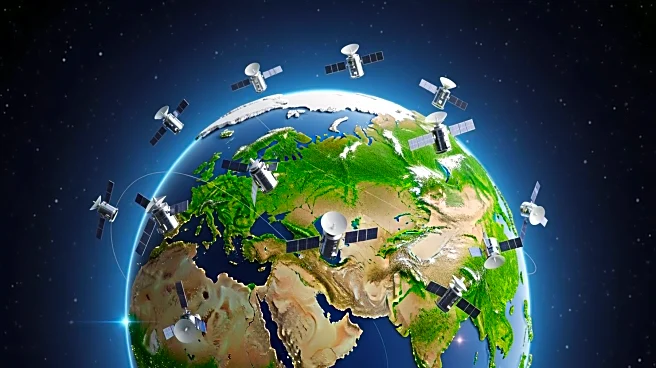
The rise of smart farming technologies raises important considerations around data privacy, security, and the digital divide in rural areas. Ensuring that farmers have access to reliable internet connectivity and digital literacy resources will be essential for the successful implementation of these tools. Moreover, as technology becomes more embedded in agriculture, ethical questions about data ownership and the role of automation in labor markets will need to be addressed. Balancing innovation with social and environmental responsibility will be key to realizing the full potential of smart farming.