


What's Happening?
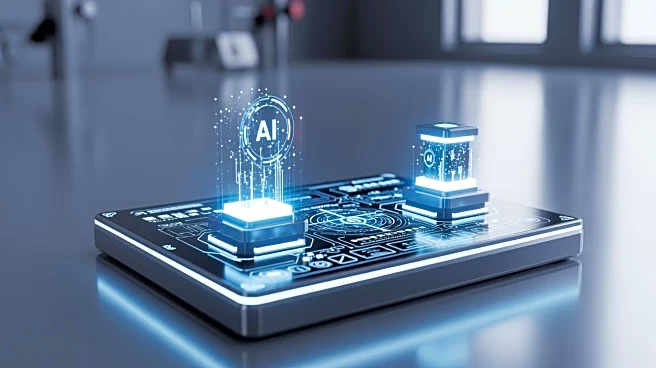
The integration of artificial intelligence (AI) into test and measurement processes is transforming the technology sector. Vendors are leveraging AI to modernize legacy test processes, enhance operational efficiency, and save time and resources. AI is being
used as a co-pilot in test and measurement, with generative AI chatbots embedded into workflows to assist engineers in detecting and debugging issues. These chatbots, trained on internal datasets, help non-technical users access information on proprietary test systems without delving into technical details. AI-powered automation is also enhancing workforce productivity by optimizing tasks such as splicing and fusing. Additionally, AI models are being utilized for test data analysis, processing large volumes of data to provide actionable intelligence in real-time. This capability is crucial for vendors dealing with extensive input data, allowing them to quickly make correlations and serve high-quality analytics. AI's pattern recognition abilities are also being employed for anomaly detection, identifying silent errors in electronics and AI systems before they escalate.
Why It's Important?
The adoption of AI in test and measurement processes is significant for the technology sector as it addresses the growing expertise gap and enhances productivity. By embedding AI into workflows, vendors can support their workforce and streamline operations, reducing errors and improving efficiency. The ability of AI to process large datasets quickly and provide real-time analytics is crucial for vendors managing extensive data inputs. This not only improves the quality of test equipment and solutions but also enables predictive maintenance, preventing expensive failures in mission-critical environments such as aerospace and defense. The integration of AI into test and measurement processes represents a shift towards more advanced and efficient systems, which can lead to cost savings and improved performance across the technology sector.
What's Next?
As AI continues to be integrated into test and measurement processes, vendors are likely to further explore its capabilities to enhance their operations. The use of AI for predictive maintenance and anomaly detection is expected to expand, particularly in industries where mission-critical systems are prevalent. Vendors may also invest in training AI models on more diverse datasets to improve their accuracy and reliability. Additionally, the development of AI-powered automation tools could lead to further advancements in workforce productivity and operational efficiency. Stakeholders in the technology sector, including businesses and policymakers, may need to consider the implications of AI integration on workforce dynamics and industry standards.
Beyond the Headlines
The integration of AI into test and measurement processes raises ethical and legal considerations, particularly regarding data privacy and security. As AI models process large volumes of data, ensuring the protection of sensitive information becomes crucial. Vendors and policymakers may need to establish guidelines and regulations to address these concerns. Additionally, the reliance on AI for decision-making in test and measurement processes could lead to shifts in workforce dynamics, with a potential reduction in the need for specialized technical expertise. This may require businesses to adapt their training and development programs to equip employees with the skills needed to work alongside AI technologies.