






What's Happening?
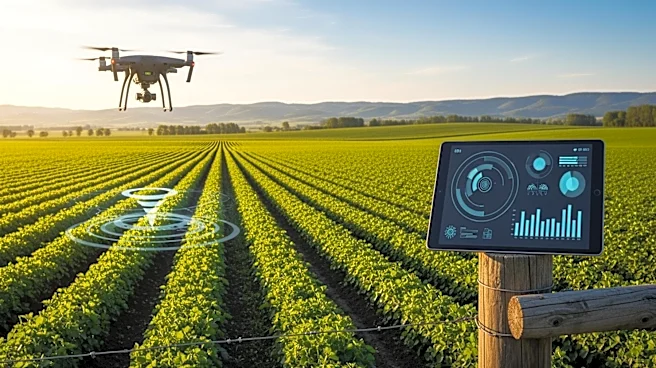
The agricultural sector in the U.S. is undergoing a significant transformation with the adoption of smart farming technologies. These innovations include drones, robotics, AI-driven crop monitoring, and sensors, which are revolutionizing traditional farming practices.
The focus is on enhancing economic viability, environmental sustainability, and social inclusion. Experts emphasize the need for collaboration between farmers, technologists, and other stakeholders to ensure these technologies address real-world challenges effectively. The integration of technology aims to improve efficiency, reduce chemical use, and optimize resource management, ultimately supporting a more resilient agricultural system.
Why It's Important?
The shift towards smart farming is critical for the future of agriculture in the U.S., as it addresses pressing issues such as climate change, resource scarcity, and the need for sustainable food production. By leveraging technology, farmers can increase productivity while minimizing environmental impact, which is essential for meeting the growing global food demand. Additionally, smart farming can enhance traceability and compliance with export standards, boosting the competitiveness of U.S. agricultural products in international markets. This transformation also opens up new opportunities for economic growth and job creation in rural areas.