


What's Happening?
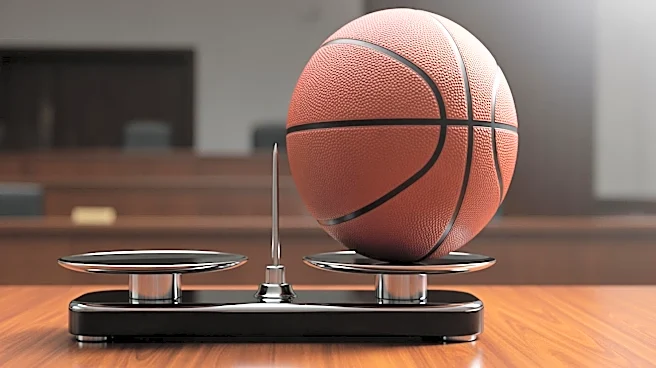
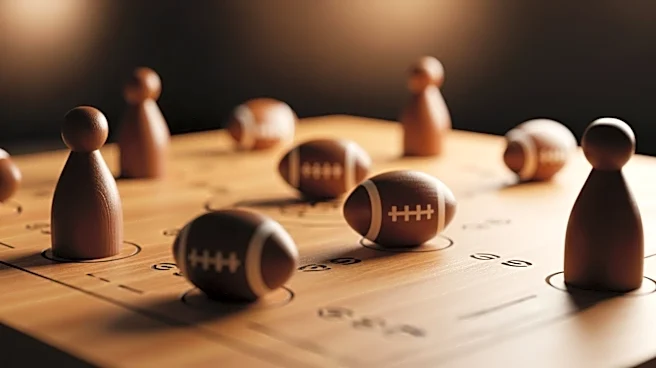
Shai Gilgeous-Alexander, a key player for the Oklahoma City Thunder, has initiated legal proceedings against Underdog Sports, a fantasy sports company, for a game that satirizes his ability to draw fouls. The game, 'Unethical Hoops', mimics the board
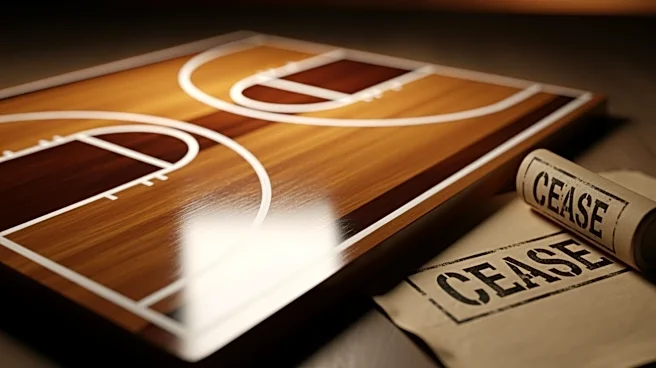
game Operation, with a buzzer indicating a foul whenever Gilgeous-Alexander is touched. This game was promoted during the Western Conference Finals, with Dillon Brooks of the Phoenix Suns participating in the promotional content. The game's release has sparked significant attention, leading Gilgeous-Alexander's lawyers to issue a cease-and-desist letter. The letter demands that Underdog Sports cease using Gilgeous-Alexander's name, image, and likeness in all media forms and destroy all copies of the game. This legal action comes amid ongoing debates about Gilgeous-Alexander's playing style, which some critics describe as 'foul-baiting' and 'flopping'.
Why It's Important?
The legal action taken by Gilgeous-Alexander highlights the growing importance of NIL rights in professional sports. As athletes increasingly seek to control their personal brands, this case could influence how companies use athlete likenesses in commercial products. The outcome may set a precedent for future cases involving unauthorized use of NIL, impacting the fantasy sports industry and its marketing strategies. Additionally, the case brings attention to the ethical discussions surrounding player conduct in basketball, particularly the tactics used to draw fouls. This could lead to broader discussions within the NBA about sportsmanship and the rules governing player behavior.
What's Next?
Underdog Sports has yet to respond to the cease-and-desist letter, leaving the potential for legal proceedings open. If the case goes to court, it could provide a legal framework for how NIL rights are protected in the context of parody and commercial use. Alternatively, if Underdog Sports complies with the demands, it may lead to changes in how companies approach the use of athlete likenesses in their products. The resolution of this case could encourage other athletes to take similar actions to protect their NIL rights, potentially leading to more stringent industry standards and practices.