




What's Happening?
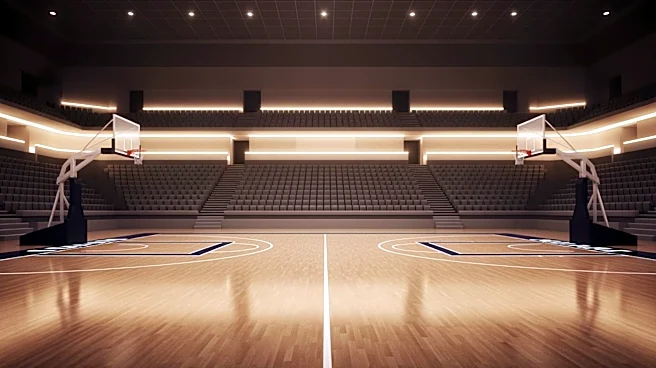
The University of Iowa has unveiled plans for a significant upgrade to the Carver-Hawkeye Arena, with a budget ranging from $50 to $70 million. This initiative aims to enhance the fan experience by introducing premium seating options, club spaces, and
improved concessions and restrooms. The project, which will be funded through private donations, is expected to take two years to complete, ensuring minimal disruption to the basketball seasons. The arena, which currently accommodates nearly 15,000 fans, may see a slight reduction in capacity. However, the upgrades are designed to maintain the arena's renowned home-court advantage, particularly noted during women's basketball games. Additionally, the Iowa field hockey team will benefit from a new operations building, enhancing their training and recruitment capabilities.
Why It's Important?
The planned upgrades to Carver-Hawkeye Arena are significant for the University of Iowa's athletic programs, particularly in enhancing the game-day experience for fans and maintaining a competitive edge. By improving facilities, the university aims to attract more spectators and boost revenue through enhanced amenities. The project also underscores the importance of private donations in funding large-scale university projects. For the Iowa field hockey team, the new operations building represents a strategic investment in the program's future, potentially elevating its national standing and recruitment efforts. These developments reflect a broader trend in collegiate sports, where facilities play a crucial role in program success and athlete development.
What's Next?
The University of Iowa will proceed with the two-year renovation plan, ensuring that the upgrades do not interfere with the basketball seasons. As the project progresses, the university will likely engage with stakeholders, including donors and fans, to maintain support and enthusiasm. The completion of these upgrades could set a precedent for future investments in university sports facilities, potentially influencing other institutions to follow suit. The field hockey team's new building is expected to enhance their training environment, which could lead to improved performance and recruitment outcomes.