




What's Happening?
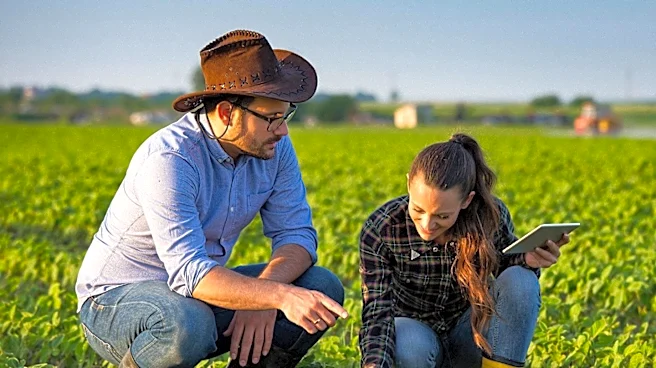
BioWorks Europe, a company focused on biological solutions, is leading a shift in agricultural practices by promoting biosolutions as a key component in modern crop protection. Historically associated with organic farming, these biological products are
now being adopted in conventional agriculture due to their technical evolution and regulatory pressures on chemical pesticides. The company is developing innovative solutions such as biodegradable pheromone diffusion clips, which reduce labor costs and environmental impact. These clips are designed to maintain stable pheromone release, enhancing pest management efficiency. BioWorks aims to balance productivity, sustainability, and profitability in agriculture, making biosolutions a structural change in crop protection.
Why It's Important?
The adoption of biosolutions in agriculture represents a significant shift towards sustainable farming practices. By reducing reliance on chemical pesticides, these solutions help preserve soil biodiversity and promote a stable biological balance, which can lead to decreased pest and disease pressure over time. This transition is crucial for meeting modern agricultural demands, which include environmental sustainability and profitability. As biosolutions become more cost-effective, they offer a viable alternative for farmers, potentially transforming agricultural ecosystems and reducing the environmental footprint of farming practices.
What's Next?
BioWorks Europe plans to expand its offerings with new biodegradable pheromone clips for different pests, aiming to further integrate biosolutions into conventional farming. This expansion could lead to broader adoption of sustainable practices across various crop types, including row crops, greenhouse vegetables, and specialized fruit crops. As the agricultural industry continues to evolve, stakeholders may increasingly prioritize biosolutions to meet regulatory requirements and consumer demand for environmentally friendly products.
Beyond the Headlines
The shift towards biosolutions in agriculture could have long-term implications for global food security and environmental health. By fostering biodiversity and reducing chemical inputs, these practices may enhance the resilience of agricultural systems against climate change and other environmental challenges. Additionally, the economic benefits of reduced labor and material costs could make sustainable farming more accessible to a wider range of farmers, potentially leading to a more equitable agricultural landscape.