

What's Happening?
The Spanish Association of Footwear Components (AEC) and international consultancy Trendstop have presented the key trends for the autumn/winter 2027/2028 footwear season. The presentation, following the Futurmoda fair in Elche, highlighted a blend of nostalgia
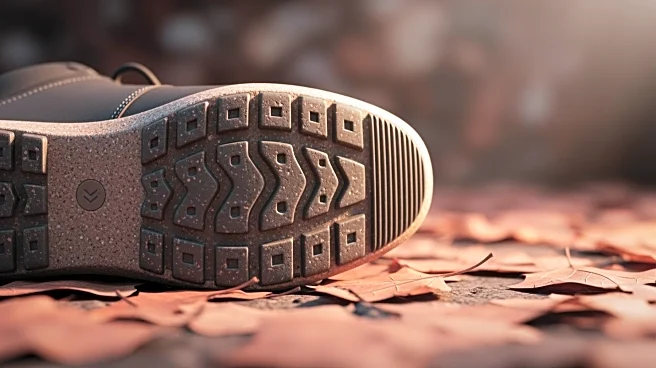
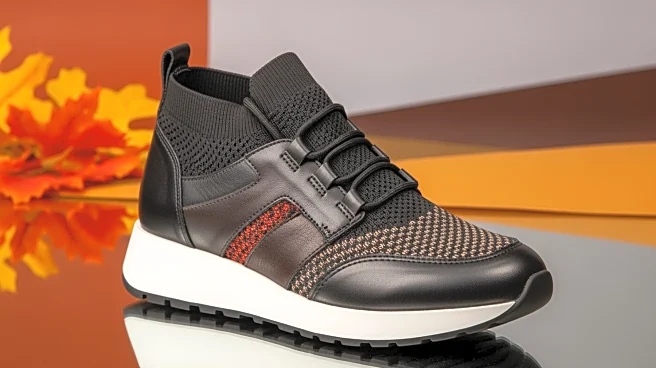
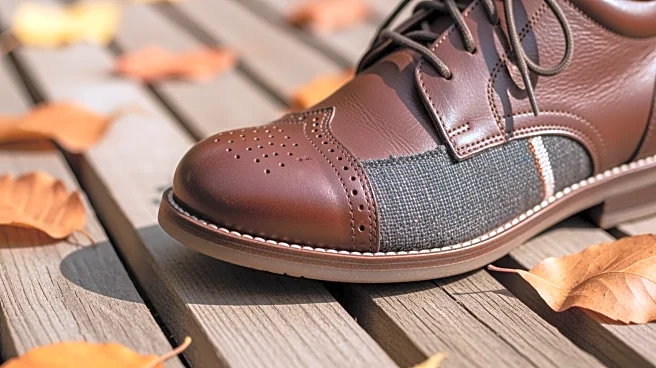
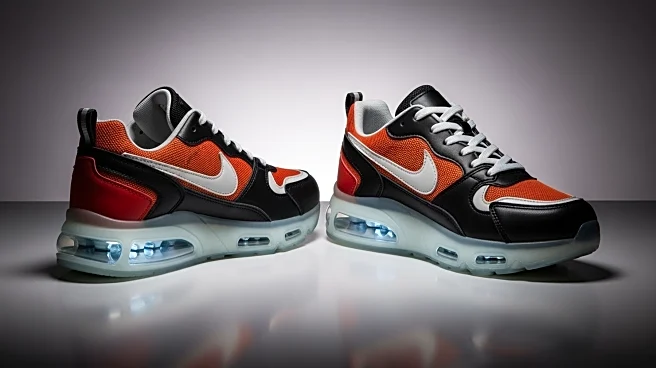
and modernity, focusing on comfort, sustainability, and innovative design. Manuel Román, president of AEC, emphasized the strategic importance of these trends for component companies in developing new collections. The trends include integrating style with comfort through advanced materials and technologies, such as 3D printing and hybrid materials, to meet consumer demands for functionality and aesthetics. Additionally, the focus on durability and repairability is evident in designs like Camper's Roku model, which features modular and repairable components. Sensory design also plays a significant role, with tactile materials and vintage-inspired aesthetics being central themes.
Why It's Important?
These trends reflect a significant shift in the footwear industry towards sustainability and consumer-centric design. By emphasizing repairability and the use of sustainable materials, the industry is responding to growing consumer demand for environmentally responsible products. This approach not only reduces waste but also extends the lifecycle of footwear, aligning with broader sustainability goals. The integration of nostalgia with modern design elements caters to consumers' emotional connections with products, potentially increasing brand loyalty and market appeal. As companies adopt these trends, they may gain a competitive edge by offering innovative, sustainable, and emotionally resonant products.
What's Next?
Footwear companies are likely to begin incorporating these trends into their upcoming collections, with a focus on developing products that balance style, comfort, and sustainability. As these trends gain traction, there may be increased collaboration between designers and material scientists to explore new technologies and materials. Retailers might also expand their repair services to support the longevity of products, enhancing customer satisfaction and brand reputation. The industry's shift towards sustainability could influence other sectors, encouraging a broader adoption of eco-friendly practices.
Beyond the Headlines
The emphasis on nostalgia and sensory design highlights a cultural shift towards valuing personal connections and experiences in consumer products. This trend may influence other industries, such as fashion and interior design, to incorporate similar elements. The focus on repairability and modular design could lead to a reevaluation of product lifecycles across various sectors, promoting a circular economy. As consumers become more environmentally conscious, companies that prioritize sustainability and emotional engagement may see increased market success.