
What's Happening?
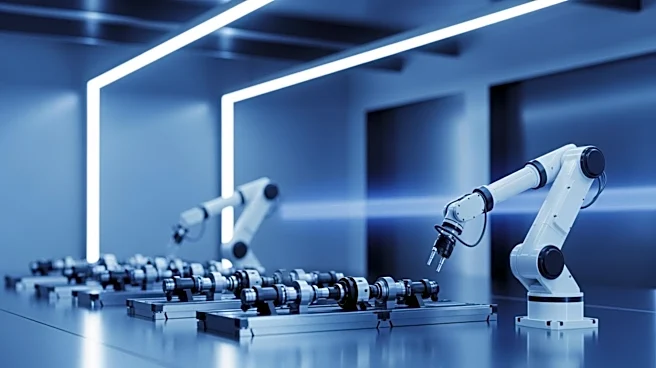
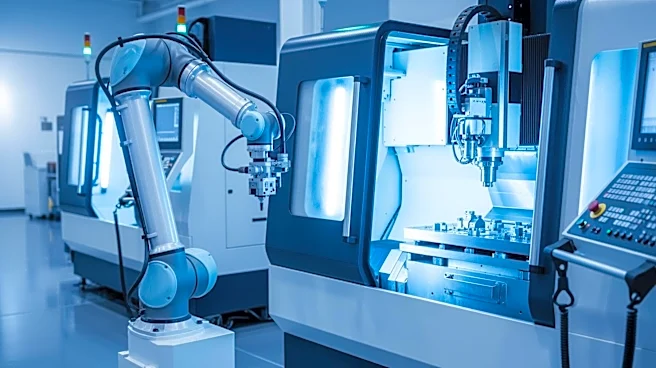
The integration of artificial intelligence (AI) and robotics is transforming the manufacturing sector by enhancing flexibility and efficiency. AI-powered machine vision and reinforcement learning are enabling robots to identify variable parts and optimize
paths based on real-time feedback, rather than relying on predefined scripts. This development is particularly beneficial in high-mix, low-volume manufacturing environments where traditional automation struggles to justify return on investment. AI-enabled robots can be redeployed across different tasks and product lines, extending their asset life and accelerating payback periods. Additionally, AI orchestration is improving warehouse operations by allowing robotic fleets to dynamically adjust priorities based on operational conditions, thus reducing bottlenecks and maintaining throughput during demand fluctuations.
Why It's Important?
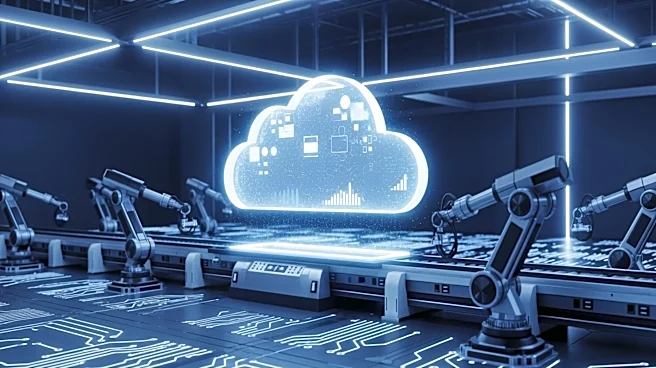
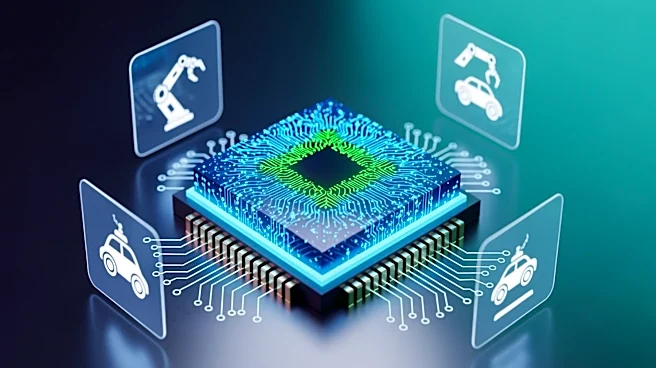
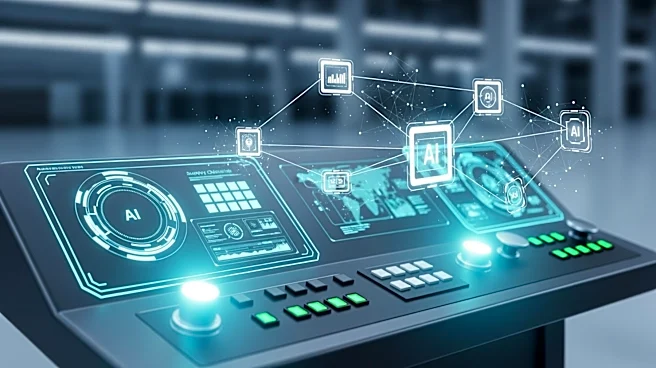
The advancements in AI and robotics are crucial for the manufacturing industry, which faces challenges such as labor shortages and supply chain volatility. By increasing manufacturing flexibility and efficiency, AI-enabled robotics can help companies remain competitive in a rapidly changing market. The ability to quickly adapt to changes in product demand and production processes can lead to significant cost savings and improved operational efficiency. Furthermore, the integration of AI as a unifying intelligence layer in manufacturing systems can enhance predictive maintenance and streamline production processes, ultimately leading to safer and more efficient operations.
What's Next?
As AI and robotics continue to evolve, manufacturers are likely to place greater emphasis on collaborative manufacturing, where humans and robots work side by side. This shift will require changes in workforce strategy, with a focus on robotic supervision, systems thinking, and data literacy. The future of manufacturing will be defined by the intelligence of the systems rather than the level of automation, with AI providing the cognitive layer that enables continuous improvement and resilience. Companies that embrace this convergence early will not only increase efficiency but also redefine operational excellence in the coming decade.