






What's Happening?
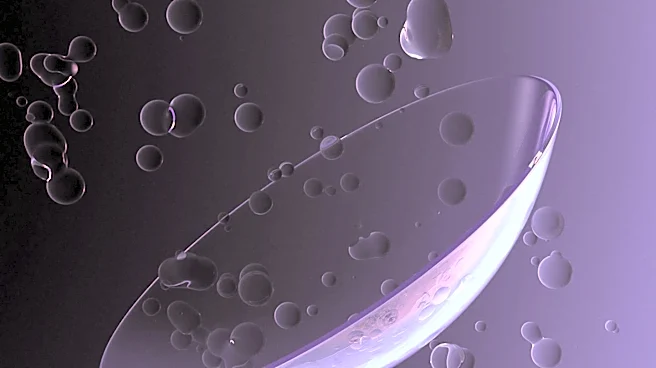
A new study has revealed that contact lenses equipped with electrodes can effectively treat depression, offering a drug-free alternative to traditional antidepressants like Prozac. Developed by researchers at Yonsei University, these lenses deliver mild
electrical signals to specific brain regions associated with mood regulation. The study, published in Cell Reports Physical Science, demonstrated that this method improved mood and behavior in mice, showing results comparable to Prozac. The lenses work by using a technique called temporal interference, which targets brain areas without affecting surrounding tissues. This approach could potentially transform the treatment of depression and other neurological conditions.
Why It's Important?
This development represents a significant advancement in mental health treatment, providing a non-invasive alternative to antidepressants, which often come with side effects such as weight gain and emotional blunting. The contact lenses could offer a more targeted and personalized treatment option, reducing the need for medication and its associated withdrawal symptoms. If successful in human trials, this technology could revolutionize the management of depression and other brain disorders, potentially improving the quality of life for millions of individuals affected by these conditions.
What's Next?
The research team plans to further develop the technology by making the lenses wireless and testing them for long-term safety in larger animals. They aim to personalize the stimulation for individual users before advancing to clinical trials in humans. If successful, this innovation could lead to widespread adoption in treating depression and other neurological disorders, potentially reducing reliance on traditional medications.