



What's Happening?
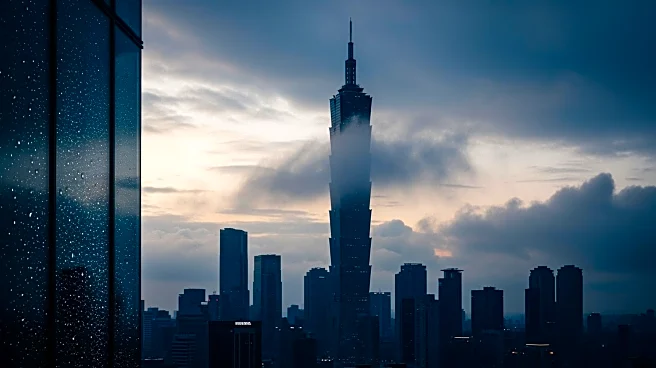
Renowned climber Alex Honnold, known for his rope-free ascent of Yosemite's El Capitan, has postponed his attempt to free solo Taipei 101, one of the world's tallest skyscrapers, due to rainy weather. Originally scheduled to air live on Netflix, the climb has been rescheduled for January 24. Honnold has prepared for the climb by studying the building's structure and practicing with ropes. The event has garnered significant attention, with Netflix implementing a 10-second delay to prevent viewers from witnessing any potential accidents. Honnold's mother expressed confidence in his judgment and preparation, despite the inherent risks.
Why It's Important?
Honnold's attempt to climb Taipei 101 highlights the growing interest in extreme sports and the media's role in broadcasting
such events. The live streaming of the climb on a major platform like Netflix underscores the commercial potential of extreme sports, attracting viewers and sponsors. However, it also raises ethical questions about the portrayal of high-risk activities and the potential for accidents. Honnold's meticulous preparation and risk management strategies serve as a reminder of the importance of safety in extreme sports, even as they push the boundaries of human capability.
What's Next?
Following the rescheduled climb, there may be increased scrutiny on the safety measures and ethical considerations of broadcasting high-risk sports events. Success in the climb could further elevate Honnold's status and inspire more climbers to pursue similar feats, potentially leading to more media coverage and sponsorship opportunities. However, it could also prompt discussions about the responsibilities of media companies in promoting and profiting from dangerous activities. The outcome of Honnold's climb may influence future policies and practices in the broadcasting of extreme sports.