






What's Happening?
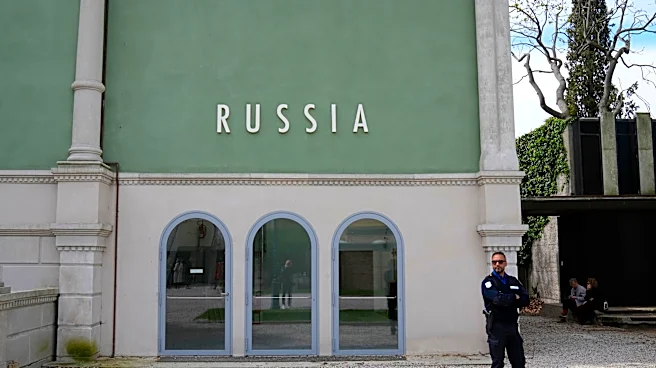
The jury of the Venice Biennale has resigned just days before the event's opening, following controversy over their decision to exclude countries whose leaders face International Criminal Court charges. The jury's decision was understood to apply to Israel
and Russia, whose leaders are under arrest warrants for alleged war crimes. The resignation comes amid criticism from various quarters, including the Israeli foreign ministry, which accused the jury of politicizing the exhibition. The Biennale organizers announced that the prize-giving ceremony will now rely on a popular vote in the absence of a jury.
Why It's Important?
The resignation of the Venice Biennale jury underscores the intersection of art and politics, highlighting how international events can become arenas for political expression and controversy. This development may affect the reputation and future operations of the Biennale, one of the world's most prestigious art exhibitions. It also raises questions about the role of cultural events in addressing or reflecting geopolitical issues, potentially influencing how other international art events handle similar situations.
What's Next?
With the jury's resignation, the Biennale will proceed with a new voting system for awarding prizes, which could alter the dynamics of the event. The controversy may lead to further discussions and debates within the art community about the role of politics in cultural events. Additionally, the situation could prompt other international exhibitions to reassess their policies regarding participation and political considerations, potentially leading to changes in how such events are organized and perceived globally.