

What's Happening?
Novak Djokovic, a prominent figure in tennis with 24 Grand Slam titles, chose not to participate in a recent protest led by Aryna Sabalenka at the French Open. The protest, which took place during media day at Roland Garros, was aimed at advocating for
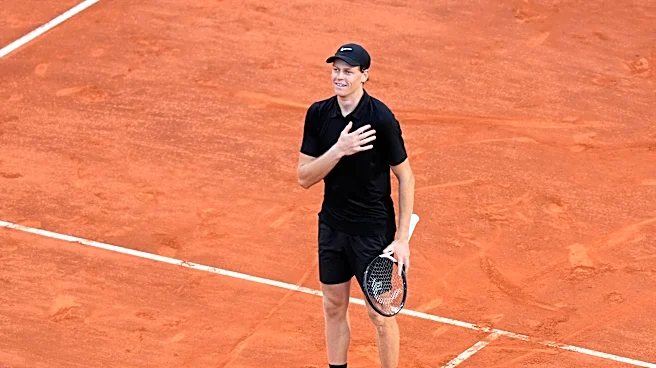
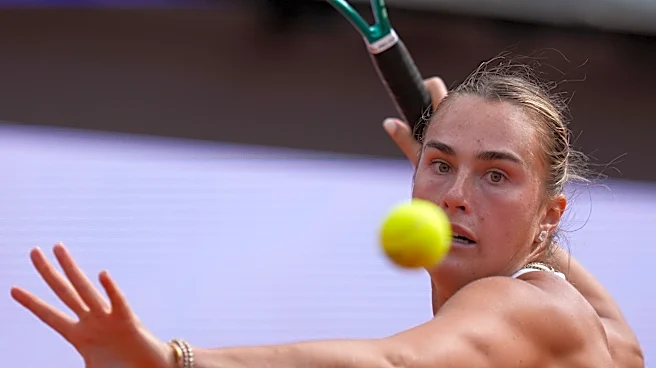
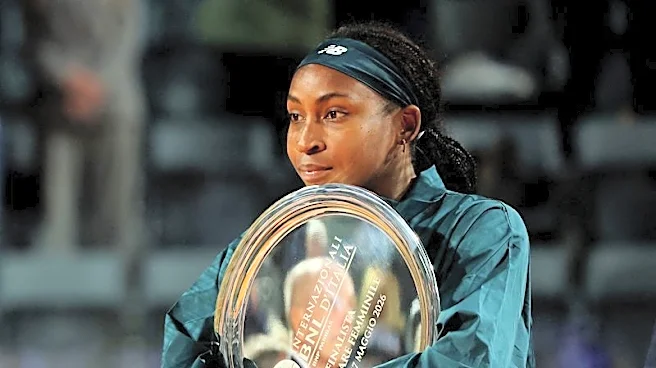
a greater financial contribution from Grand Slam tournaments to support lower-ranked players. Sabalenka, along with other top players like Jannik Sinner, Iga Swiatek, and Coco Gauff, limited their media interactions to symbolize the 15% of revenue allocated to player prize money. Djokovic, who has been involved in player-power initiatives in the past, expressed his support for the players' cause but did not join the protest. He emphasized the need for unity in tennis to avoid the fragmentation seen in golf with the emergence of the LIV tour.
Why It's Important?
The protest highlights ongoing tensions between top tennis players and Grand Slam organizers over prize money distribution. The initiative seeks to address financial disparities affecting lower-ranked players, who often struggle with the costs of competing professionally. By advocating for a larger share of tournament revenues, the players aim to improve the welfare and sustainability of tennis careers beyond the elite ranks. Djokovic's decision not to participate, despite his historical involvement in similar causes, underscores the complexity of player unity in addressing these issues. The protest also reflects broader concerns about the governance and financial structures within professional tennis.
What's Next?
The protest at Roland Garros may prompt further discussions between players and Grand Slam organizers regarding prize money distribution and player welfare. The players' call for a Grand Slam player council could lead to more formalized representation in decision-making processes. As the tennis community navigates these challenges, stakeholders will need to balance the interests of top players with the financial realities of tournament operations. The outcome of these discussions could influence the future structure and governance of professional tennis, potentially setting a precedent for other sports facing similar issues.