

What's Happening?
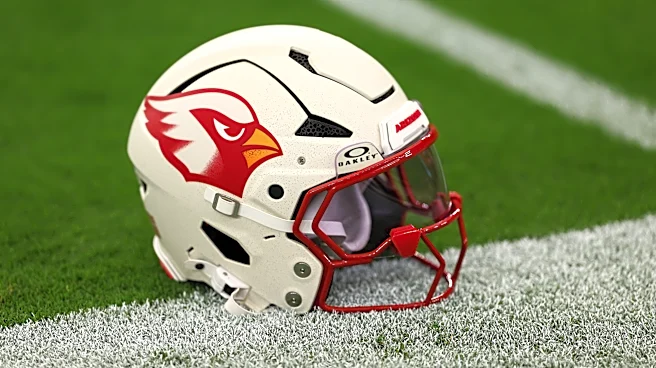
The NFL's annual schedule release event has become a significant occasion for team creatives, with many teams producing elaborate videos to unveil their schedules. Recently, the Arizona Cardinals faced criticism for their schedule release video, which
some viewers believe was generated using artificial intelligence (AI). The video features a virtual call with NFL mascots, led by a 'Director of Mascot Matchups,' and includes a green screen effect for the Cardinals' mascot. Despite the Cardinals' video receiving numerous comments suggesting AI involvement, a spokesperson for the Chargers, another NFL team, stated that they did not use AI for their own schedule release video. Other teams, such as the Packers, Raiders, and Jaguars, have also publicly declared that their videos were not AI-generated, emphasizing their commitment to traditional creative methods.
Why It's Important?
The controversy surrounding the Cardinals' schedule video highlights the growing debate over AI's role in creative industries, including sports. As AI technology becomes more prevalent, there is increasing concern among creative professionals about the potential for AI to replace human creativity. This incident underscores the tension between innovation and authenticity, as teams strive to engage fans with unique content while maintaining transparency about their creative processes. The backlash against AI-generated content reflects a broader skepticism about the technology's impact on jobs and the authenticity of creative work. For the sports industry, this debate could influence how teams approach content creation and fan engagement strategies in the future.
What's Next?
As the discussion about AI in creative industries continues, sports teams may need to reassess their content creation strategies to balance innovation with authenticity. Teams might consider being more transparent about their use of technology in creative processes to maintain trust with fans. Additionally, the industry could see increased collaboration between human creatives and AI tools to enhance content without compromising authenticity. The ongoing dialogue about AI's role in sports and other industries is likely to shape future policies and practices regarding technology use in creative work.