





What's Happening?
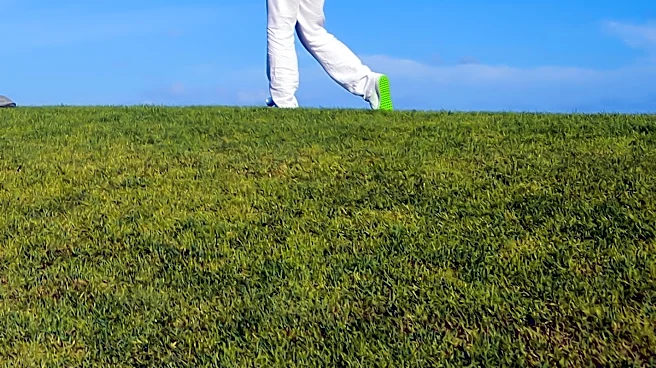
BBC news presenter Naga Munchetty has highlighted golf as her preferred form of exercise, which she claims can add years to one's life. Munchetty, who plays golf at least five times a week, describes the sport as both a mental and physical challenge.
A study involving 300,000 golfers found that playing golf is associated with a 40% lower mortality rate, equating to a five-year increase in life expectancy. This benefit is consistent across various demographics, including age, sex, and socioeconomic status. The study attributes these health benefits to the moderate-intensity aerobic activity provided by golf, which helps individuals meet national physical activity guidelines. Additionally, golf is linked to improvements in cardiometabolic risk factors, such as cholesterol levels and insulin-glucose regulation, which are crucial in preventing chronic diseases.
Why It's Important?
The promotion of golf as a beneficial exercise for longevity underscores the importance of regular physical activity in maintaining health and reducing mortality risk. Golf's unique combination of physical exertion and mental engagement makes it a sustainable exercise option for many, particularly as it can be played well into older age. This aligns with public health goals to encourage lifelong physical activity to combat chronic diseases like diabetes and cardiovascular conditions. The social and mental health benefits of golf, such as improved mental wellbeing and social interaction, further enhance its appeal as a holistic health activity. As more individuals seek accessible and enjoyable ways to stay active, golf's popularity may increase, potentially influencing public health strategies and recreational policies.
What's Next?
As awareness of golf's health benefits grows, there may be increased interest in making the sport more accessible to a broader audience. This could involve initiatives to reduce barriers to entry, such as cost and availability of facilities. Public health campaigns might also leverage golf's appeal to promote physical activity among older adults, emphasizing its role in maintaining health and social connections. Additionally, further research could explore the specific mechanisms by which golf contributes to longevity, potentially informing guidelines for physical activity and health promotion.
Beyond the Headlines
The emphasis on golf as a longevity-enhancing activity highlights broader cultural and societal shifts towards valuing sustainable and enjoyable forms of exercise. As traditional high-intensity workouts may not be suitable for everyone, especially older adults, golf offers an inclusive alternative that combines physical, mental, and social benefits. This trend may influence how fitness and wellness industries develop programs and services tailored to diverse populations, promoting a more inclusive approach to health and fitness.