
What's Happening?
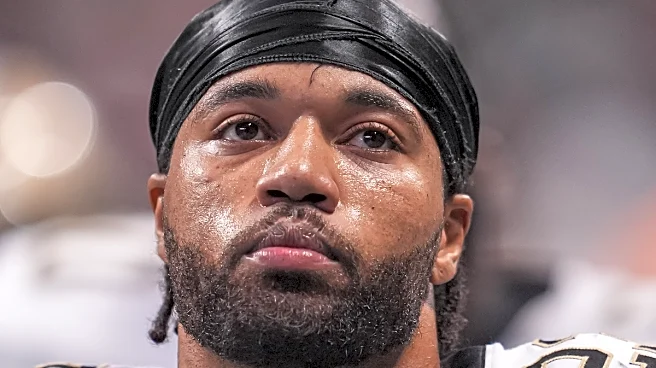
Rondale Moore, a 25-year-old NFL receiver, was found dead in his hometown of New Albany, Indiana. Authorities suspect a self-inflicted gunshot wound as the cause of death. Moore, who had a promising start to his career with the Arizona Cardinals, faced
significant setbacks due to knee injuries that ended his seasons prematurely. After being traded to the Atlanta Falcons in 2024, he suffered another knee injury and never played for them. In 2025, he joined the Minnesota Vikings but was sidelined again due to injury. The Vikings and the Cardinals have expressed their condolences, highlighting Moore's dedication and resilience despite his challenges. An autopsy is scheduled to confirm the cause of death.
Why It's Important?
Moore's death highlights the mental health challenges faced by athletes, particularly those dealing with career-threatening injuries. His passing underscores the need for increased mental health support within professional sports organizations. The NFL and its teams may face pressure to enhance their support systems for players dealing with similar adversities. Moore's story also brings attention to the broader issue of mental health awareness and the importance of providing resources for those in need. His death is a significant loss to the sports community, as he was a talented player with much potential.
What's Next?
The investigation into Moore's death will continue, with an autopsy scheduled to confirm the cause. The NFL and its teams may review their mental health support systems in response to this tragedy. There could be increased advocacy for mental health resources for athletes, both at the professional and collegiate levels. The sports community may also engage in discussions about the pressures athletes face and how to better support them.
Beyond the Headlines
Moore's death may lead to a broader conversation about the stigma surrounding mental health in sports. It could prompt changes in how teams address mental health issues, potentially leading to more comprehensive support systems. This tragedy might also influence how injuries and their psychological impacts are managed, encouraging a more holistic approach to athlete care.