




What's Happening?
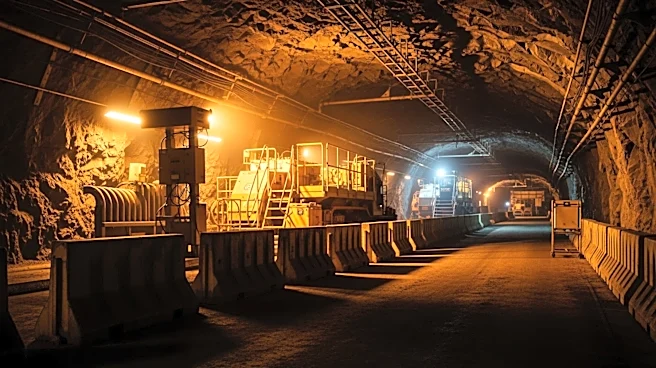
TesMan and Dyno Nobel have partnered to revolutionize underground mining technology by integrating robotic systems and digital blasting solutions. This collaboration aims to address the safety and productivity challenges associated with the blast face
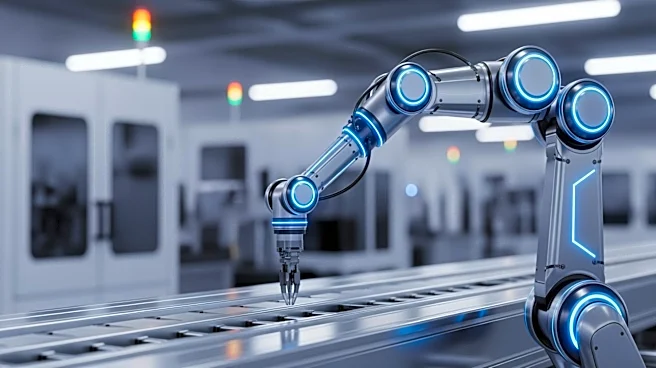
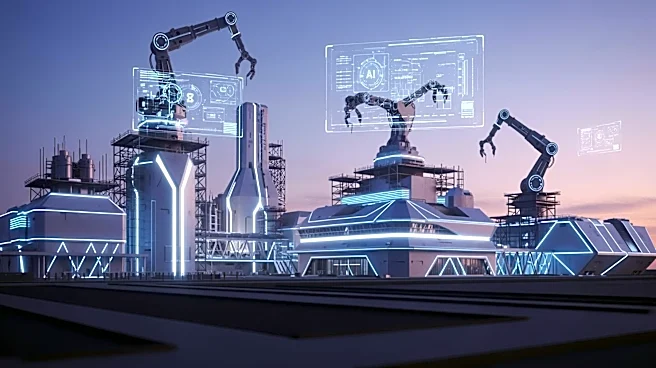
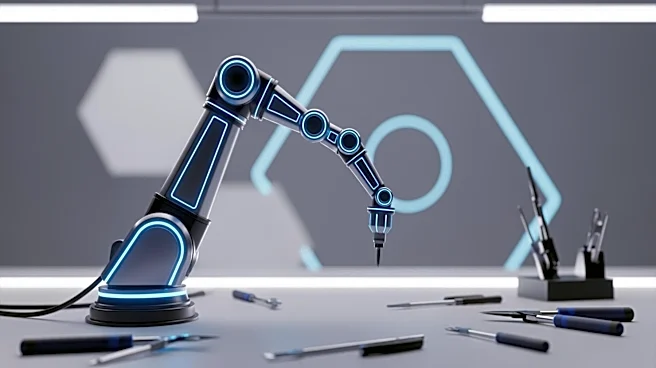
in hard-rock mining operations. The partnership focuses on developing a unified operational system that combines explosives handling, robotic deployment, and blast cycle management. The goal is to minimize human proximity to hazardous zones during the charging phase of the blast cycle, thereby enhancing safety and efficiency. TesMan's technology, developed in Sudbury, Ontario, includes robotic platforms capable of navigating confined underground spaces and positioning charges without direct human presence. Dyno Nobel contributes its expertise in integrated blasting solutions, optimizing the interface between robotic charge placement and blast outcomes.
Why It's Important?
The partnership between TesMan and Dyno Nobel is significant for the mining industry as it addresses long-standing safety concerns and productivity limitations in underground mining. By reducing the need for human presence at the blast face, the collaboration aims to lower the risk of accidents and improve operational efficiency. This technological advancement could lead to reduced insurance costs, regulatory compliance burdens, and enhanced social license to operate for mining companies. Additionally, the integration of robotic systems with digital blasting infrastructure may accelerate the adoption of automation in mines, offering substantial productivity and safety gains. The partnership reflects a broader industry trend towards automation and integrated solutions, which could reshape how mineral resources are extracted.
What's Next?
The TesMan and Dyno Nobel partnership is expected to demonstrate remote loading capabilities in active underground headings in the near term. The medium-term goal is to integrate robotic charging platforms with broader mine automation systems, including drill navigation and blast management software, to further compress blast cycle times and eliminate human presence in hazardous zones. The long-term vision is to achieve a zero-entry blast cycle, where human presence is not required at any stage of the process. The upcoming Mining Transformed event in Sudbury will provide a platform for both companies to present their partnership and engage with the mining community on the potential of integrated blast cycle technology.
Beyond the Headlines
The partnership highlights the ethical and operational shift towards prioritizing safety as a foundational design principle rather than a regulatory obligation. This approach not only enhances safety but also aligns with the industry's zero harm values. The collaboration also underscores the importance of workforce upskilling, as underground crews will need to develop new competencies in remote operation and robotic system maintenance. The successful implementation of this technology could serve as a model for other mining operations globally, demonstrating the potential for integrated solutions to address complex safety and productivity challenges.